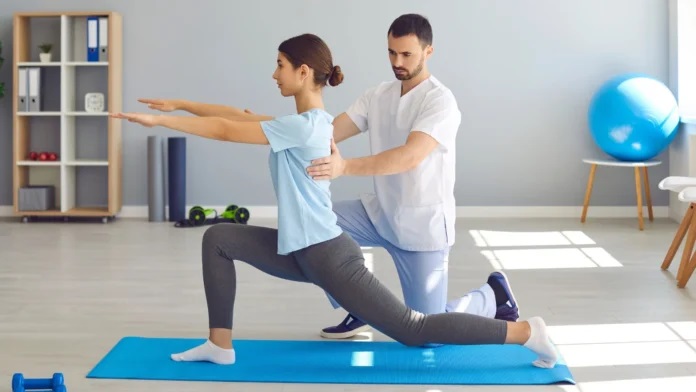
Starting a fitness journey often feels intimidating for beginners. High-intensity workouts, fast movements, and complex routines can discourage people who are new to exercise. Low impact fitness classes offer a practical starting point. These classes focus on controlled movements that reduce stress on joints while still improving strength, flexibility, and endurance.
Many beginners prefer this style because it allows them to build fitness gradually. Instead of pushing the body too hard, low impact workouts support steady progress. This article explains why low impact fitness classes work so well for beginners and how they help people build long-term fitness habits.
What Are Low Impact Fitness Classes?
Low impact fitness classes include workouts that keep at least one foot on the ground or avoid intense pressure on joints. These exercises focus on smooth, controlled movements rather than explosive jumps or fast transitions.
People often confuse low impact with low intensity, but the two are different. A workout can feel challenging and still protect the joints. The key lies in the type of movement rather than the effort level.
Common examples of low impact fitness classes include:
- Yoga
- Pilates
- Barre workouts
- Water aerobics
- Walking-based cardio classes
- Low impact strength training
- Stretch and mobility sessions
These classes build strength, improve posture, and support flexibility without placing excessive strain on knees, hips, or ankles.
Why Beginners Struggle with High Impact Workouts
Many beginners start fitness programs with enthusiasm but quickly face discomfort. High impact exercises often include jumping, running, or sudden directional changes. For someone who has not exercised regularly, these movements may lead to fatigue, soreness, or minor injuries.
Several factors contribute to these challenges:
Lack of Joint Conditioning
Joints need time to adapt to physical stress. Sudden exposure to high impact workouts may overload the knees, hips, or lower back.
Poor Movement Technique
Beginners often lack proper form when performing exercises. Without guidance, this increases the chance of strain or injury.
Low Initial Endurance
People who have not exercised recently may struggle with breathing control and stamina during intense sessions.
Low impact fitness classes reduce these issues by introducing movement at a manageable pace.
Key Benefits of Low Impact Fitness Classes for Beginners
Low impact workouts offer several advantages that make them ideal for people who are new to fitness.
1. Reduced Stress on Joints
One of the biggest benefits involves joint protection. Movements remain controlled and stable, which limits shock to the knees, hips, and ankles.
Beginners can exercise longer without pain or discomfort. This creates a positive experience and motivates people to stay consistent.
2. Safer Learning Environment
Low impact classes allow beginners to focus on proper technique. Instead of rushing through fast routines, participants learn body alignment, posture, and breathing patterns.
This builds a strong foundation for future workouts.
3. Gradual Strength Development
Strength builds slowly through repeated movement patterns. Low impact workouts activate muscles without overwhelming them.
Exercises such as bodyweight squats, controlled lunges, resistance band work, and core stability drills improve muscle endurance while keeping movements safe.
4. Improved Flexibility and Mobility
Many low impact classes include stretching and mobility exercises. These movements improve joint range and muscle elasticity.
Beginners often notice reduced stiffness and better movement control after only a few sessions.
5. Better Consistency
Consistency determines long-term fitness success. When workouts feel manageable, people return to class regularly.
Low impact training removes the fear of pain or injury, which helps beginners build a weekly routine.
Popular Low Impact Fitness Classes for Beginners
Beginners have several class options depending on their fitness goals and preferences.
Yoga Classes
Yoga classes focus on flexibility, breathing, and balance. Controlled poses strengthen muscles while promoting relaxation.
Beginners often start with basic sessions that teach foundational postures and breathing techniques.
Pilates Classes
Pilates strengthens the core, back, and pelvic muscles. Slow and controlled movements improve posture and stability.
Many beginners choose Pilates to address back discomfort caused by long hours of sitting.
Barre Workouts
Barre combines ballet-inspired movements with strength training. Small repetitive motions target muscles in the legs, hips, and core.
These workouts require concentration but avoid high impact jumps.
Water Aerobics
Water workouts support the body with natural resistance from water. This reduces stress on joints while still providing a solid workout.
Many beginners and older adults prefer this option.
Low Impact Cardio Classes
These classes include walking patterns, step movements, and light aerobic routines without jumping. They raise heart rate while keeping movements safe.
Physical Health Benefits for Beginners
Low impact fitness classes improve several aspects of physical health.
Stronger Muscles
Controlled resistance exercises activate muscles and build strength gradually. Beginners develop better muscle endurance over time.
Improved Balance
Many exercises require body control and posture awareness. This improves coordination and stability.
Better Heart Health
Low impact cardio sessions raise heart rate and support cardiovascular health. Regular participation improves circulation and stamina.
Weight Management
Consistent physical activity helps burn calories and regulate metabolism. When paired with healthy nutrition, low impact training supports weight management goals.
Mental Benefits of Low Impact Workouts
Fitness does not only affect the body. Low impact classes also improve mental well-being.
Reduced Stress
Gentle movement and breathing exercises lower stress levels. Many participants feel calmer after class.
Improved Confidence
Beginners often feel nervous when starting fitness routines. Low impact classes provide a comfortable setting where participants progress at their own pace.
As skills improve, confidence grows.
Better Sleep Quality
Regular physical activity helps regulate sleep patterns. Many beginners report deeper sleep after several weeks of consistent workouts.
Tips for Beginners Starting Low Impact Fitness Classes
Beginners can improve their experience by following a few simple tips.
Start with Beginner-Level Classes
Look for sessions designed specifically for beginners. Instructors explain movements clearly and adjust exercises when necessary.
Focus on Proper Form
Correct posture and movement technique prevent injuries. Beginners should move slowly and ask questions when unsure about a movement.
Stay Consistent
Two or three classes per week create noticeable improvement. Regular participation builds endurance and muscle strength.
Listen to Your Body
Mild muscle soreness may occur during early sessions, but sharp pain should never be ignored. Rest when needed and progress gradually.
Combine Strength and Mobility
Balanced fitness routines include strength exercises, flexibility work, and light cardio. Low impact classes often combine these elements effectively.
How Low Impact Classes Build Long-Term Fitness Habits
Many people quit fitness programs because workouts feel too difficult in the beginning. Low impact classes remove this barrier.
When beginners experience manageable progress, they stay motivated. Over time, they may choose to increase intensity or try additional training styles.
Low impact workouts also remain valuable even as fitness levels improve. Athletes often use them for recovery, mobility, and injury prevention.
Who Can Benefit from Low Impact Fitness Classes?
Although beginners benefit from low impact fitness classes, many other groups also enjoy these classes.
Low impact workouts work well for:
- People returning to exercise after a long break
- Adults with joint discomfort
- Older individuals who want safe movement routines
- Individuals recovering from minor injuries
- People who prefer calm and controlled workouts
This wide accessibility makes low impact classes popular in gyms, rehabilitation centers, and community fitness programs.
Final Thoughts
Low impact fitness classes provide a practical starting point for beginners who want to improve their health without overwhelming their bodies. These workouts protect joints, strengthen muscles, and build confidence through controlled movement patterns.
When beginners train in a supportive environment and progress gradually, they develop long-term exercise habits that support overall wellness. Many rehabilitation and wellness centers recommend these programs as the first step toward active living. Facilities such as Prosperity Rehab provide structured low impact fitness sessions designed to help beginners build strength, mobility, and confidence safely.




Leave a Reply