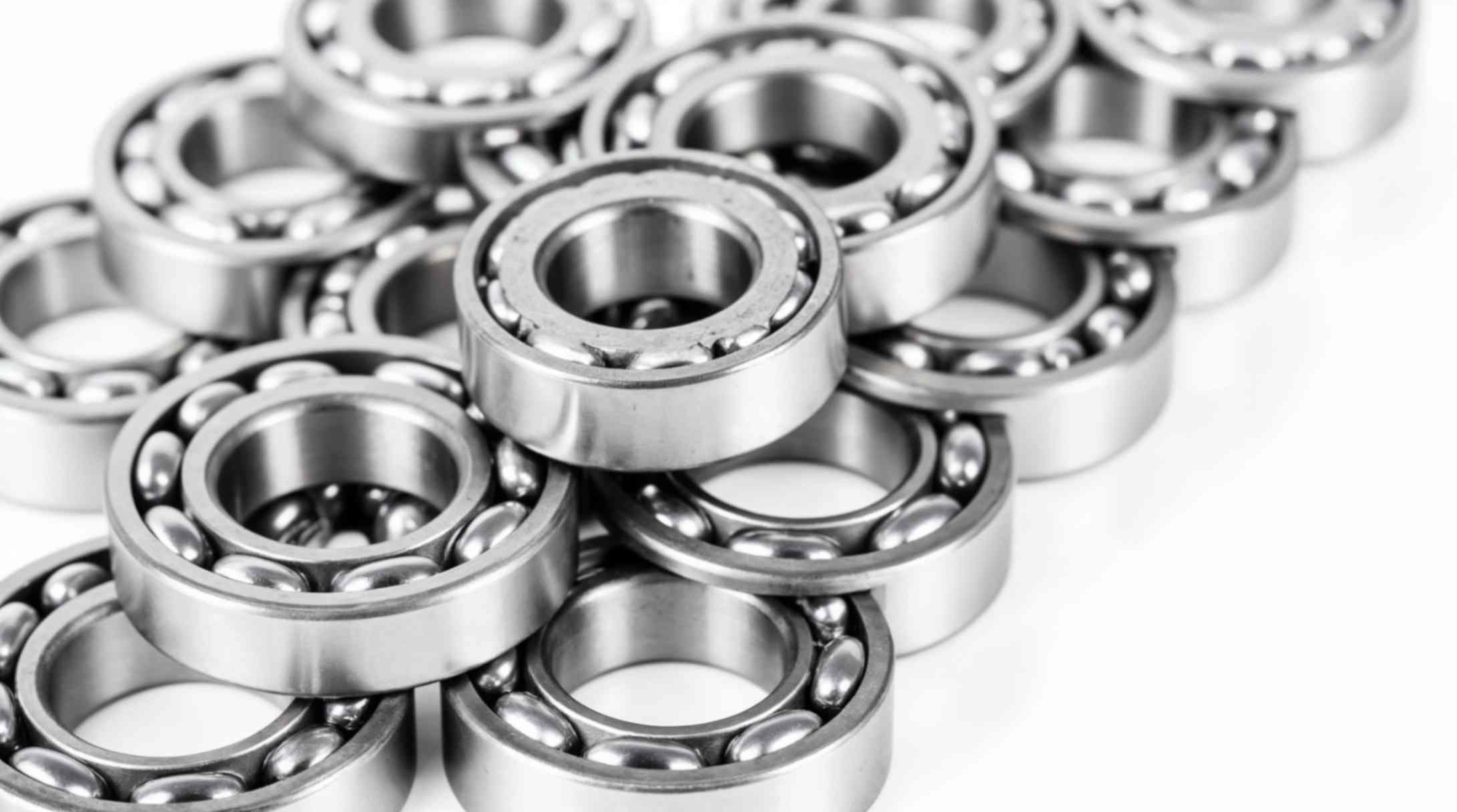
Industrial machinery relies on many hidden components that ensure smooth and efficient operation. Among these components, bearings play a crucial role because they reduce friction, support rotating shafts, and maintain alignment in heavy equipment. One of the most trusted bearing materials used in demanding environments is white metal bearings. Known for their durability, reliability, and excellent load handling capabilities, these bearings are widely used in turbines, compressors, pumps, and large motors.
Understanding how these bearings work and why industries depend on them can help engineers, maintenance teams, and decision makers choose the right components for long term performance. This article explores the structure, properties, benefits, and applications of white metal bearings in industrial systems.
Understanding White Metal Bearings
White metal bearings are a type of plain bearing that use a soft alloy lining to support rotating shafts. The material used in these bearings is commonly referred to as white metal or Babbitt metal. It is typically made from a combination of tin, antimony, copper, or lead, depending on the specific formulation and application.
What Is White Metal?
White metal is a soft, anti friction alloy designed to provide a smooth and protective surface between moving components. Its composition allows it to embed small particles of dirt or debris, preventing damage to the shaft surface.
Common properties of white metal include:
- Low friction characteristics
- High conformability to shaft surfaces
- Excellent embeddability of foreign particles
- Good resistance to scoring and seizure
- Effective load distribution
Because of these properties, white metal linings are often applied to a steel or bronze backing that provides structural strength while the soft layer handles friction control.
Structure of White Metal Bearings
Most white metal bearings are constructed with two main components.
Bearing Shell
The shell is usually made from steel or bronze and acts as the structural support. It holds the bearing in place within the housing and ensures proper alignment with the rotating shaft.
White Metal Lining
The inner surface of the bearing shell is coated with a thin layer of white metal. This lining is the working surface that comes into contact with the shaft. Its softness allows it to adapt to slight misalignments and imperfections in the shaft surface.
Together, these layers create a strong yet adaptable bearing system that can operate under high loads and continuous rotation.
How White Metal Bearings Work
White metal bearings operate on the principle of hydrodynamic lubrication. When the shaft begins to rotate, it drags lubricating oil into the space between the shaft and the bearing surface. This motion creates a thin oil film that separates the metal surfaces.
Hydrodynamic Lubrication
The oil film formed between the shaft and the bearing acts as a protective layer. Instead of metal to metal contact, the shaft effectively rides on this film of oil. This reduces friction, heat generation, and wear.
The effectiveness of hydrodynamic lubrication depends on several factors:
- Shaft speed
- Oil viscosity
- Bearing clearance
- Load conditions
When properly designed, the oil film can support extremely heavy loads while maintaining smooth rotation.
Protection Against Damage
One of the unique advantages of white metal is its ability to protect the shaft. If contaminants enter the lubrication system, the soft surface of the bearing can absorb these particles. This prevents them from scratching or damaging the rotating shaft.
This feature significantly extends the life of critical machinery components.
Advantages of White Metal Bearings
White metal bearings are widely used because they offer a combination of performance, reliability, and safety. Their design characteristics make them suitable for heavy industrial applications where failure is not an option.
Excellent Conformability
White metal can adapt to minor misalignments and irregularities in the shaft surface. This property helps maintain stable operation even when slight imperfections exist in the system.
Superior Embeddability
Foreign particles or contaminants may enter machinery during operation. The soft structure of white metal allows these particles to embed into the bearing surface rather than damaging the shaft.
Reduced Risk of Seizure
Because white metal is softer than the shaft material, it acts as a sacrificial surface. If lubrication fails temporarily, the bearing may wear slightly instead of causing severe shaft damage.
High Load Carrying Capacity
Despite its softness, white metal can handle heavy loads when supported by a proper backing material and adequate lubrication. The hydrodynamic oil film distributes pressure evenly across the bearing surface.
Good Thermal Conductivity
White metal conducts heat efficiently. This helps dissipate heat generated during operation and prevents overheating within the bearing system.
Common Industrial Applications
White metal bearings are used across many industries because of their ability to operate under demanding conditions.
Power Generation
Power plants rely on large rotating equipment such as turbines and generators. These machines operate at high speeds and require precise shaft support. White metal bearings provide stability and smooth motion in these critical systems.
Marine Engineering
Ship engines and propulsion systems depend on reliable bearing technology. White metal bearings are commonly used in marine applications due to their ability to withstand heavy loads and continuous operation.
Oil and Gas Industry
Compressors, pumps, and turbines in the oil and gas sector require durable bearings that can operate in harsh environments. White metal bearings help ensure uninterrupted performance in these systems.
Heavy Industrial Machinery
Many manufacturing facilities use large rotating machines that operate around the clock. Equipment such as rolling mills, crushers, and industrial fans often rely on white metal lined bearings to maintain efficiency and minimize downtime.
Hydroelectric Turbines
Hydroelectric power plants use massive rotating turbines to generate electricity. These turbines require bearings capable of supporting heavy loads while maintaining smooth rotation for extended periods.
Maintenance and Longevity
Proper maintenance plays a major role in extending the lifespan of any bearing system. White metal bearings are known for their durability, but they still require regular monitoring and lubrication.
Importance of Lubrication
Lubricating oil forms the protective film that prevents direct contact between the shaft and the bearing surface. Maintaining proper oil quality and flow is essential to ensure reliable operation.
Key lubrication considerations include:
- Correct oil viscosity
- Clean oil supply
- Proper oil pressure
- Adequate cooling
Failure in lubrication can lead to overheating, wear, and possible bearing failure.
Inspection and Monitoring
Routine inspections help detect potential issues before they become serious problems. Engineers typically monitor several factors, including:
- Bearing temperature
- Oil pressure and flow
- Vibration levels
- Noise patterns
These indicators provide valuable insight into the health of the bearing and the machinery it supports.
Repair and Refurbishment
Another advantage of white metal bearings is their repairability. If the lining becomes worn or damaged, it can often be re cast or refurbished rather than replacing the entire bearing assembly.
This capability reduces maintenance costs and extends the service life of expensive industrial equipment.
Future Relevance in Modern Industry
Industrial technology continues to evolve, but white metal bearings remain highly relevant. Advances in manufacturing, lubrication technology, and monitoring systems have improved their reliability even further.
Modern machinery often integrates sensors and digital monitoring tools that track bearing performance in real time. These technologies allow operators to detect problems early and prevent costly failures.
As industries focus on efficiency and sustainability, reliable components like these bearings help reduce energy loss, minimize downtime, and extend equipment lifespan.
Final Thought
Industrial machines operate under intense pressure, heavy loads, and continuous movement. Bearings play a vital role in ensuring these systems run smoothly and safely. The unique properties of white metal bearings make them one of the most trusted solutions for supporting rotating equipment in demanding environments. Their ability to reduce friction, protect shafts, and handle high loads explains why they continue to be widely used across industries such as power generation, marine engineering, and heavy manufacturing. With proper lubrication, monitoring, and maintenance, these bearings can deliver dependable performance for many years, making them an essential component in modern industrial machinery.




Leave a Reply