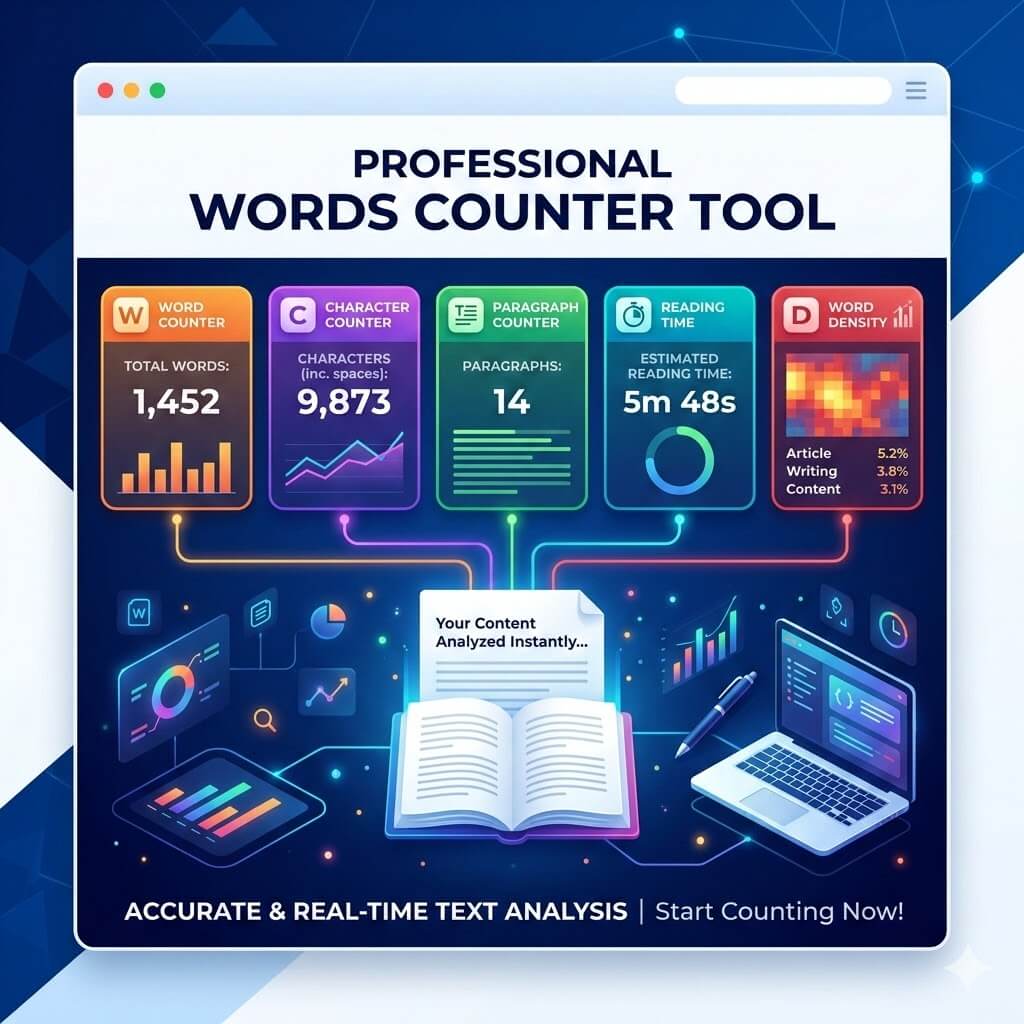
If you have published a piece that has performed well in rankings but has not managed to engage users, you are not to be blamed. This issue largely stems from the fact that most content creators tend to focus on obtaining traffic rather than thinking about user retention. While obtaining user clicks is a goal, the website’s true value comes in being able to keep a user on the page for a period of time. One of the countless factors that impacts retention is the total number of words in an article compared to the number of words a user is expecting.
The relationship between user retention and article words is not an easily recognizable concept. While search engine optimized content tends to favor longer articles, articles that are shorter are recommended so as to not overwhelm a user’s shorter attention spans. Most of the time the accurate view of this ailing relationship tends to be an equilibrium and being able to identify this equilibrium leads to an increase in performance of the content you create.
Why Readers Leave Before Finishing an Article
Readers often do not leave an article because of length. In most cases readers leave because the article fails to meet reader expectations. Before readers finish clicking to open an article, they ask themselves the following questions: Is this article applicable to me? Is this article going to be an easy read? Is this article going to be a valuable use of my time?
Readers leave an article because they feel overwhelmed or unsatisfied. If an article is too vague, too short, or too long, readers feel unsatisfied, and they leave. If an article is too long, and too vague, readers feel overwhelmed and they leave the site. This is the exact reason managing your word count is important.
How Article Length Shapes User Trust
EEAT highlights the significance of trust. Articles that present information clearly, completely, and with authenticity, are most trusted by readers. Articles that are too short are perceived to be filled with shallow information, while articles that are too long are perceived to be filled with fluff and padding.
A word counter that measures your article helps you write with a specific purpose. It helps you to become intentional, so you’re able to get deep into the concepts rather than be surface by just adding fluff and filler. Readers might not notice the word count, but they will notice the difference the count makes in quality.
Word Counters and Writing Retention
While word counters are typically considered a technical SEO feature, they can also be considered a user experience feature. When writing, word counters will allow users to adjust and find a good pace. This can also help users identify over-explanation and spots in the content that are muddled and unclear.
Authors who utilize word counters are typically better at writing articles that flow. Each portion of the article has the deserved length, which encourages readers to continue and dissuades them from quickly scanning and leaving the article. When the content is worded in a way that is considerate to the reader and their time, it will also improve the overall retention.
The Potential of Long Form Content
The reason longer articles typically outperform shorter articles is due to their ability to fully cover a topic. Meaning, they offer in-depth coverage of the subject matter. This, of course, does not mean content should be produced in excess. A higher word count will only improve performance when each section provides answers to real questions that the reader may be encountering.
When articles provide solutions to an issue in a step-by-step manner, length will become a virtue. Because readers are still engaged when they solve questions as the scroll, search engines also identify it as high quality and will increase the articles authority.
When content is sufficiently long, it can be challenging to retain readers without a strong structure and a clear intention to fully utilize the space given to answer the most relevant questions. This is the reason that word count goals should be based more on the impact that the content will have, rather than an arbitrary number.
Character Counters and First Impressions
User retention begins even before the first paragraph is read. Titles, meta descriptions, and headings set expectations. A character counter ensures these elements are clear and complete across devices and search results.
When titles are cut off, or descriptions are vague, users click with the wrong expectations. This leads to high bounce rates. Proper character limits control retention and promise of the content delivered.
Matching Article Length to Search Intent
Search intent is the best way to determine the right length of the article. While the intent is informative, the answers need to be explanation. While the intent is inquisitive, answers need to concise. A word counter aligns with the content and the type of answer the users are looking for.
Retention increases when readers feel the content is designed for their question. They stay because the article feels relevant from start to finish.
How Word Count Affects Reading Comfort
Reading comfort is an important metric for retention. Articles that are too dense feel tiring. Articles that are too sparse feel incomplete. Tracking word count at the paragraph and section level helps maintain rhythm.
When scrolling is made easy, deeper engagement and return visits. These signals build long-term authority and trust, which supports EEAT principles.
Fast Indexing Relies on Clarity and Balance in Writing
Search engines try to provide content that will keep users interested. So, when content consumers stay on the page, scroll down, and engage, the indexing and ranking will benefit. A balanced word count contributes to a clear structure that search engines will crawl.
While clarity will support fast indexing, fast indexing relies on clarity. Content that is well paced and well thought out will send strong quality signals to search engines. Click here if you want to know more about education.
FAQs
Does article length actually affect how long users stay on a page?
Yes. The length of the article impacts how complete and trustworthy the content appears. Retention will increase when content length is in line with user intent and provides clear value.
Is more content always better at keeping readers?
No. Retention is only improved when a clear problem is being solved. Unnecessary length will drive users away.
How does a word counter improve user engagement?
A word counter will help provide a better reading flow by helping the writer manage the content’s pace, avoid filler content, and ensure that each section is substantive.
Why do character counters improve user retention?
Character counters help ensure that the title and description are well within the character limit. This provides a positive and clear first impression which will decrease the bounce rate and improve the alignment of the title with the user search query.
What is the best word count for maximum retention?
There is no single answer to this. The optimal word count varies based on the topic’s complexity, the audience’s intent, and the extent to which the content effectively tackles the questions.
Final Thoughts
The relationship between the length of the article and retention is subtle yet significant. Retention is not a by-product of word count, but of the wise use of words. Although a word counter, word count tool, and character counter provide metrics, true success is gained when understanding your audience.
Retention proves that content is worthwhile when created based on the actual problems of the readers, and paired with the appropriate depth. The audience establishes a level of trust, engages, and frequently returns. This explains the essence of article length and user retention.



Leave a Reply