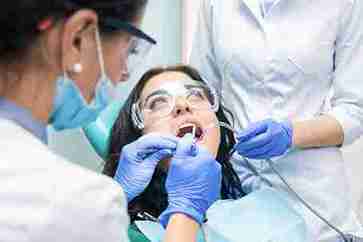
Orthodontic care has evolved far beyond simply straightening teeth. Today, skilled orthodontists address deeper skeletal discrepancies, where misalignment of the upper and lower jaws impacts not only appearance but also functionality. These skeletal discrepancies can influence how a person bites, chews, and speaks, as well as affect long term oral health. Understanding the challenges associated with these complex cases allows patients to appreciate the precision, expertise, and technology required to achieve lasting results.
Understanding Skeletal Discrepancies
Skeletal discrepancies occur when the upper jaw (maxilla) and lower jaw (mandible), as assessed by an orthodontist Scunthorpe, do not align properly. Unlike minor dental misalignments, these involve underlying bone structure, affecting both appearance and oral function.
Key impacts of skeletal discrepancies include:
- Difficulty chewing or biting efficiently
- Speech irregularities caused by misaligned jaws
- Facial asymmetry, which can affect self esteem
- Increased strain on jaw joints (TMJ)
- Higher risk of uneven tooth wear and early dental complications
Recognising these challenges highlights why traditional braces alone may not suffice, and why tailored, professional care is essential.
Causes of Skeletal Discrepancies
Orthodontists often identify multiple factors contributing to skeletal misalignments, allowing them to devise effective treatment strategies.
Genetic Factors
- Inherited jaw shapes, sizes, and growth patterns can predispose individuals to discrepancies.
- Certain familial traits influence whether the upper or lower jaw is more prominent.
Developmental Issues
- Delayed or uneven bone growth can lead to asymmetry and malocclusion.
- Conditions affecting facial bone formation require specialised interventions.
Childhood Habits
- Thumb sucking, tongue thrusting, or prolonged pacifier use can alter jaw development.
- Mouth breathing may also impact skeletal formation over time.
Trauma or Injury
- Accidents during growth years can disrupt jaw development.
- Early tooth loss or fractures may contribute to uneven spacing or gaps.
Early Tooth Loss
- Losing primary teeth prematurely can cause remaining teeth and jaws to shift.
- This often exacerbates skeletal discrepancies, making intervention more challenging.
Causes vs Potential Impact
| Cause | Potential Impact on Jaw |
| Genetics | Inherited skeletal asymmetry |
| Childhood habits | Altered jaw growth, spacing issues |
| Trauma | Displacement or abnormal growth |
| Early tooth loss | Uneven spacing and misalignment |
Diagnosis and Assessment
Accurate diagnosis is the cornerstone of effective skeletal discrepancy management. Orthodontists use a combination of clinical evaluation and advanced technology to fully assess jaw and dental alignment.
Diagnostic Tools Include:
- Clinical Examination: Assesses facial symmetry, bite patterns, and jaw movement.
- X rays & Cephalometric Analysis: Measures jaw relationships and bone structure.
- 3D Imaging & Digital Scans: Offers detailed visualisation of jaw and teeth positions.
- Photographic Analysis: Tracks facial changes and treatment progress over time.
Early detection, particularly in growing children, enables interventions that may reduce the need for invasive procedures later, while optimising both function and aesthetics.
Advanced Orthodontic Treatment Approaches
Correcting skeletal discrepancies requires a personalised approach depending on patient age, severity of misalignment, and overall oral health.
1. Growth Modification (Children & Teenagers)
- Functional appliances like expanders or headgear guide jaw growth.
- Most effective before puberty, when bone growth is highly adaptable.
2. Fixed Orthodontic Systems (Braces & Aligners)
- Traditional braces or clear aligners reposition teeth while supporting skeletal alignment.
- Often combined with other treatments for more complex cases.
3. Surgical Orthodontics (Orthognathic Surgery)
- Recommended for adults with severe skeletal gaps or malocclusions.
- Realigns jawbones to restore functional bite and facial balance.
- Followed by orthodontic refinement for optimal outcomes.
4. Hybrid & Technology Assisted Treatments
- Combines clear aligners with fixed appliances for complex tooth and jaw movements.
- AI based monitoring and digital treatment planning improve precision and predictability.
Benefits of Proper Skeletal Correction:
- Improved bite function and chewing efficiency
- Enhanced facial symmetry and aesthetics
- Reduced strain on jaw joints (TMJ)
- Long term oral health stability
Managing Treatment Challenges
Even with advanced techniques, skeletal cases can present obstacles. Skilled orthodontists manage these proactively to ensure successful outcomes.
Common Challenges and Solutions:
| Challenge | Management Strategy |
| Slow bone adaptation | Apply gradual forces; frequent monitoring |
| Appliance discomfort | Prompt adjustment or repair; sometimes requires an emergency dentist in Scunthorpe |
| Severe skeletal discrepancy | Combine orthodontic and surgical approaches |
| Patient non compliance | Emphasise education and maintain regular follow ups |
Timely intervention by an emergency dentist in Scunthorpe ensures that unexpected appliance issues or discomfort do not compromise treatment progress.
Early Intervention and Growth Guidance
The timing of orthodontic assessment is critical for optimal results. Evaluating jaw growth early allows professionals to guide development proactively.
Advantages of Early Intervention:
- Reduces the complexity of treatment in adulthood
- Encourages balanced jaw and facial development
- Minimises functional problems such as bite or chewing difficulties
- Shortens overall treatment duration
Parents are encouraged to schedule orthodontic assessments for children around age seven to detect potential skeletal issues early.
Role of Technology in Precision Orthodontics
Modern orthodontics relies on technology to enhance accuracy, comfort, and efficiency, particularly for complex skeletal cases.
Key Innovations:
- 3D Imaging & AI Analysis: Offers precise visualisation of jaw positions and predicts outcomes accurately.
- Digital Treatment Planning: Customises appliances and simulates results prior to treatment.
- Smart Brackets & Aligners: Automatically adjust force levels to optimise tooth movement.
- Remote Monitoring: Enables patients to share progress digitally, reducing in office visits.
These advancements allow orthodontists in Scunthorpe to deliver personalised treatment with minimal discomfort and predictable outcomes.

Real World Outcomes
Proper skeletal discrepancy correction offers significant improvements in both function and appearance.
Functional Benefits:
- Stable bite and efficient chewing
- Reduced strain on TMJ and jaw muscles
Aesthetic Benefits:
- Balanced facial symmetry
- Enhanced smile appearance and confidence
Long Term Oral Health:
- Lower risk of uneven tooth wear
- Reduced likelihood of gum disease
Collaboration between orthodontists, patients, and other dental specialists ensures comprehensive care, yielding lasting results.
Conclusion
Managing skeletal discrepancies requires expert diagnosis, advanced technology, and personalised orthodontic solutions. From growth modification in children to surgical interventions in adults, treatment aims to restore both function and aesthetics. Patient cooperation and professional oversight are crucial for achieving long term success.For urgent appliance issues or discomfort, visiting an emergency dentist can provide immediate relief. At Scunthorpe, patients benefit from the expertise of dedicated orthodontists, ensuring balanced facial structure, improved bite function, and a confident, lasting smile.



Leave a Reply