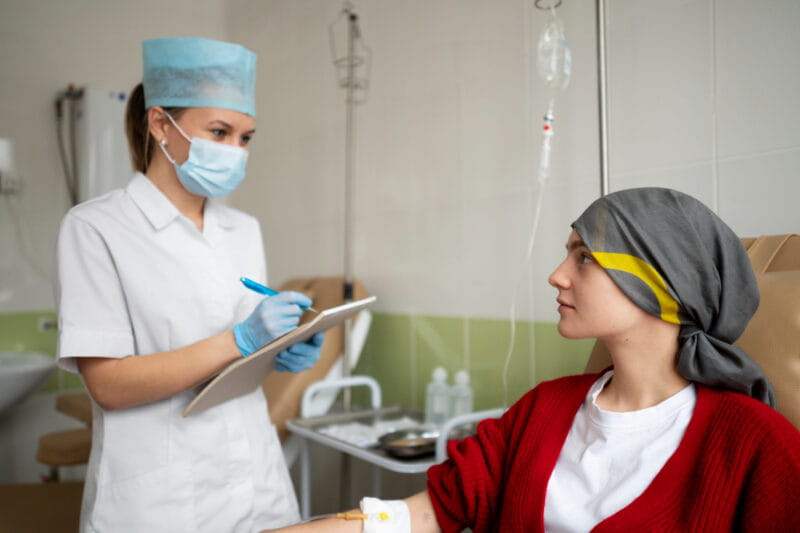
Cancer treatment involves far more than clinical procedures alone. It requires sensitivity, clear communication, and care plans that reflect each patient’s medical needs as well as emotional well-being. Leading hospitals in Delhi are increasingly adopting patient-centred care models that focus on comfort, transparency, and personalised treatment pathways alongside advanced medical expertise.
When choosing a cancer hospital in Delhi patients can expect a structured approach that combines experienced oncology teams, advanced diagnostic technology, and a wide range of support services. From the first consultation through treatment and long-term follow-up, care is planned around the patient’s condition, preferences, and overall quality of life.
Thorough Diagnosis and Personalised Assessment
Patient-centred care begins with a detailed and accurate diagnosis. Hospitals carry out a series of tests such as blood investigations, imaging scans, and biopsies to identify the type, stage, and extent of cancer. These findings are reviewed carefully by specialists, along with the patient’s medical history, existing health conditions, and lifestyle factors.
This comprehensive assessment allows doctors to design treatment plans suited to the individual. During consultations, medical teams explain the diagnosis, treatment options, potential outcomes, and possible side effects in clear and simple terms. Family members are often included in discussions to ensure shared understanding and emotional support. This open approach helps patients make informed decisions and builds confidence in the treatment process.
Multidisciplinary Treatment Approach
Leading cancer hospitals in Delhi emphasise collaboration across specialities to ensure comprehensive care. Instead of relying on a single specialist, patients benefit from a coordinated team that addresses all aspects of treatment and recovery.
The multidisciplinary team typically includes:
- Medical oncologists who manage chemotherapy, targeted therapy, and immunotherapy
- Surgical oncologists who perform cancer-related surgeries with precision
- Radiation specialists who plan and deliver radiation therapy
- Dieticians who develop nutrition plans to maintain strength and immunity
- Counsellors who offer psychological and emotional support
These specialists work together to review progress and adjust treatment plans when required. Regular case discussions ensure continuity and consistency throughout the treatment journey. This coordinated approach allows hospitals to address physical symptoms, emotional challenges, and nutritional needs in a balanced manner.
Individualised Treatment Plans
Each cancer diagnosis is unique, and treatment plans are designed accordingly. Hospitals in Delhi tailor therapies based on factors such as age, cancer stage, overall health, daily routine, and personal priorities. This ensures treatment remains both effective and manageable for the patient.
Care plans may include surgery, chemotherapy, radiation therapy, immunotherapy, or a combination of these approaches. In suitable cases, patients may also be guided toward clinical trials or newer treatment options. Doctors explain each stage of care clearly, including timelines and recovery expectations, so patients feel prepared and supported throughout the process.
Supportive and Palliative Care Services
Cancer treatment can be physically exhausting and emotionally demanding. Patient-centred hospitals place strong emphasis on supportive care to help individuals cope with treatment-related challenges and maintain strength.
Common supportive services include:
- Pain management to reduce discomfort during and after treatment
- Nutritional counselling to support recovery and energy levels
- Physiotherapy to maintain mobility and reduce complications
- Counselling services to help manage stress, anxiety, and emotional strain
Palliative care is often introduced early to focus on comfort, symptom control, and overall well-being. Emotional and social support is extended to families as well, helping them understand treatment stages and provide effective care at home. These services allow patients to remain engaged and maintain dignity throughout their treatment journey.
Patient Education and Active Participation
Education plays a key role in patient-centred care. Hospitals provide resources such as one-on-one consultations, printed materials, and informational sessions to help patients understand their condition and treatment plan.
Encouraging patients to participate in decision-making strengthens trust and confidence. Guidance on managing side effects, recognising warning signs, and following follow-up schedules ensures patients remain informed even after discharge. This focus on education empowers patients to take an active role in their care.
Continuity of Care and Follow-Up
Care does not end once treatment is completed. Leading hospitals ensure ongoing monitoring and support to promote long-term recovery and early detection of any concerns.
Follow-up care typically includes:
- Scheduled visits to assess recovery and monitor for recurrence
- Ongoing evaluation of treatment-related side effects
- Rehabilitation support to restore strength and daily function
- Coordination with local healthcare providers when patients return home
These measures help create a smooth transition from hospital care to everyday life. Consistent follow-up ensures patients continue to feel supported and reassured during recovery.
Conclusion
Leading cancer hospitals in Delhi are redefining care by combining advanced medical treatment with compassion, communication, and personalised attention. Through detailed diagnosis, coordinated specialist teams, tailored treatment plans, supportive services, patient education, and long-term follow-up, hospitals aim to provide care that supports both recovery and overall well-being. Patients seeking a cancer hospital in Delhi can expect an approach that values comfort, clarity, and continuity at every stage of treatment.




Leave a Reply