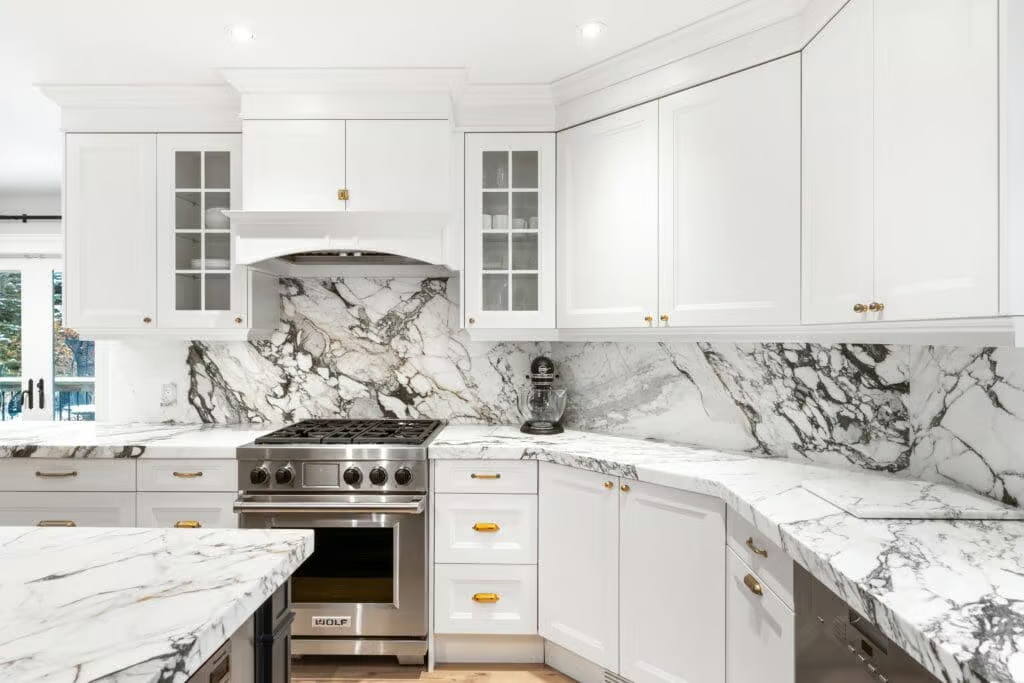
A Marble Kitchen: Ideas, Costs, Pros/Cons & Maintenance (Complete Guide)
A marble kitchen can make even a simple space feel tailored and high-end. The veining looks like natural art, the surface feels cool and solid, and the whole room reads “premium” at first glance. That’s why it keeps showing up in luxury homes, branded showrooms, shopping malls, and content-ready retail displays.
This guide shares practical design inspiration, clear pros and cons, realistic costs, and easy routines that reduce staining and etching—without turning the space into a “look, don’t touch” zone.
Why Marble Kitchens Are So Popular
Marble stays popular because no two slabs match. That uniqueness helps a marble kitchen stand out in high-traffic spaces where first impressions decide whether people stop, browse, or buy.
It also fits more than one style. Marble works with modern flat-panel cabinets, classic shaker doors, and modern-traditional blends. In 2026, the look is trending toward calmer cabinetry paired with tactile stone finishes—especially softer, low-glare surfaces that photograph well and feel more “real” in person.
Golden nugget: When marble is the focal point, everything else can be quieter—and the room still feels expensive.
Marble Kitchen Pros and Cons (Real Talk)
Pros
A marble kitchen delivers a luxury aesthetic that rarely goes out of style. Marble also handles heat well, so brief contact with warm cookware is less stressful than it is on some surfaces (trivets are still a smart habit).
It’s also naturally cool, which is a quiet win for pastry, chocolate work, and dough prep. For brands that shoot food content or demo cooking, that “cool-to-the-touch” feel is part of the premium experience.
Cons
Marble is a “living” surface. It can etch when acids hit it—think lemon juice, vinegar, tomato sauce, and certain cleaners. Etching is a dull spot in the finish, not a stain, and it’s more noticeable on glossy, polished stone.
It can also stain if spills sit too long, especially wine, coffee, turmeric, or oil. A marble kitchen needs sealing, quick wipe-ups, and the right daily cleaner to keep the surface looking crisp. In busy spaces, many stone pros recommend resealing high-use counters around every 6–12 months, depending on traffic and finish.
Marble Kitchen Countertops (Most Searched Section)
Most people start here for a reason: marble kitchen countertops often become the centerpiece. In a marble kitchen built for public-facing traffic, the countertop choice sets the tone for the entire space—luxury boutique, modern minimal, or classic timeless.
The “best” countertop depends on three things:
How much daily use the surface will take
The brand image goal (ultra-luxury vs polished practical)
How consistent the maintenance routine can be
Best Marble Types for Kitchens
Marble varieties don’t just look different—they behave differently in cost, availability, and visual impact.
Carrara Marble: Softer, cloudier veining; commonly more budget-friendly among classic Italian whites.
Calacatta Marble: Bolder, higher-contrast veining, often priced higher due to rarity and demand
Statuario: Bright white background with dramatic gray veining; usually sits in the premium tier.
A simple rule many designers follow: Carrara reads elegant and calm, Calacatta reads bold and editorial, and Statuario reads crisp and high-luxury.
Polished vs Honed Marble
Polished marble is glossy and reflective. It highlights veining and can make a space feel more formal, but etching may show as dull marks under certain lighting.
Honed marble has a matte finish that feels softer and more current. Honed surfaces can make etching less obvious, though they may require consistent sealing. For many commercial-style installs, honed marble is a popular compromise: the look stays upscale, and “real life” marks blend in better.
Edge Profiles That Look Best
Edge choice changes the entire vibe of marble kitchen countertops.
Eased edge: Clean and minimal; great for modern spaces
Bevel edge: Sharp and architectural without feeling fussy.
Ogee edge: Traditional and decorative; pairs well with classic cabinetry.
Waterfall island edge: The slab continues down the side of the island for a bold statement.
Marble Kitchen Design Ideas (High-CTR Inspiration)
These marble kitchen ideas are built for photos, foot traffic, and day-to-day use. When the goal is shareable content, a marble kitchen benefits from contrast, texture, and one clear focal point.
White Marble Kitchen Ideas
White cabinets + brass hardware: Warm metal against cool stone feels upscale.
Two-tone island: A marble top with a painted base (navy or sage) refreshes the room without changing the perimeter cabinets
Extra ideas:
Bookmatched slab on the island for symmetry and “designer” impact.
Integrated stone shelf on the backsplash for oils, decor, or product displays.
Fluted wood island base under marble for texture and warmth.
Mixed metals (brass + polished nickel) for a layered look.
Statement pendants centered on the island for instant “wow.”
Matching marble window ledge for a custom finish.
Thin-profile countertop edge for a modern build.
Marble-look porcelain on the perimeter, real marble on the island.
Golden nugget: If the goal is premium without full-time maintenance, feature marble where people look first (island + backsplash) and choose a tougher surface elsewhere.
Best Cabinet Colors for a Marble Kitchen
Cabinet color should echo the undertone in the stone. Cool gray veining pairs well with white, soft gray, navy, or black. Warmer veining pairs with greige, cream, natural oak, and certain sage tones.
A marble kitchen often looks most expensive when cabinetry stays calm and consistent so the veining remains the hero. In showrooms and mall displays, this “quiet cabinet” approach also helps products stand out without visual noise.
LSI-friendly pairings that rank well and match real buyer intent:
White marble countertops + natural oak cabinets
Calacatta marble + deep navy cabinets
Honed marble + warm greige cabinets
Lighting & Hardware That Make Marble Look Expensive
Layered lighting is a big part of the “luxury” effect: pendants for drama, under-cabinet lighting for glow, and ceiling lighting for function. It reduces harsh shadows and makes veining look richer—especially in content shoots.
Hardware should echo the stone’s undertone:
Brass warms it up
Polished nickel stays crisp
Matte black adds contrast
When planned well, a marble kitchen can look high-end even with simple cabinet doors—because lighting and hardware do the heavy lifting.
Marble Kitchen Maintenance (How to Keep It Looking New)
A marble kitchen can stay beautiful for years with consistent habits. The goal isn’t “perfect forever.” It’s controlled wear that still looks elegant.
Sealing schedule: Sealing slows absorption; it does not make marble stain-proof or etch-proof. Many stone pros recommend sealing at install and then checking water beading regularly, with resealing often around every 6–12 months for heavy-use counters.
Daily cleaning: Use a pH-neutral stone cleaner and a microfiber cloth. Warm water works for many daily wipe-downs.
What to avoid: Skip acidic cleaners, bleach, and abrasive pads. These can dull the finish or cause micro-scratches that catch light in unflattering ways.
How to Prevent Stains & Etching
Coasters under citrus drinks
Trays under oils, soaps, and coffee machines
Cutting boards and trivets within easy reach
Small habits protect the slab more than any “miracle” product.
Quick fixes: For stains, a poultice is a common professional fix. For etching, polishing (or re-honing) blends marks back into the finish.
Marble Kitchen Cost (Transparent Breakdown)
Costs vary by stone type, thickness, and fabrication complexity. Many current pricing ranges place installed marble in a broad band—often around $50–$100+ per square foot—with premium slabs and complex fabrication going higher.
Key cost drivers:
Slab choice and grade (veining, background tone, rarity)
Fabrication complexity (cutouts, edges, seam matching)
Extras like full-height slab backsplashes
A marble kitchen does not need marble everywhere to look premium. Using marble on the island only, or combining a real-stone feature zone with a durable perimeter surface, often delivers the best return for businesses and retail-focused builds.
Best Alternatives If the Look Matters More Than Maintenance
Some spaces need the vibe, not the upkeep. These are popular options for busy environments:
Quartz (marble-look): Non-porous and low maintenance
Quartzite: Often tougher while staying natural stone (quartzite vs marble is a common comparison for high-traffic builds)
Porcelain slabs: Stain-resistant with strong marble visuals
Granite with subtle veining: Durable and forgiving
For many brands, the sweet spot is a hybrid plan: real marble in the hero zone and easier surfaces where the action happens.
Marble Kitchen Mistakes to Avoid
These missteps create the most regrets:
Choosing polished stone for a high-acid cooking style without accepting etching
Not matching undertones between stone, floors, and cabinets
Skipping sealing or using the wrong cleaner
Picking a grout color that turns the backsplash into a “grid.”
Poor seam planning on large islands, especially waterfall edges
A marble kitchen succeeds when the design choice matches the lifestyle or traffic level—not just the mood board.
FAQs (Tailored for AI Overviews / People Also Ask)
Is marble good for kitchens? Yes, if the space can support quick wipe-ups and periodic sealing.
Does marble stain easily? It can stain if spills sit. Sealing and fast cleanup reduce the risk.
Honed or polished marble for the kitchen? Honing often hides etching better. Polished looks brighter but can show dull marks from acids.
How often should marble countertops be sealed? Many pros suggest checking water beading often and resealing roughly every 6–12 months in high-use areas.
Marble vs. quartz vs. quartzite—what’s best for busy spaces? Quartz is easiest to maintain; quartzite offers strong durability in natural stone, and marble needs the most care.



Leave a Reply