Introduction
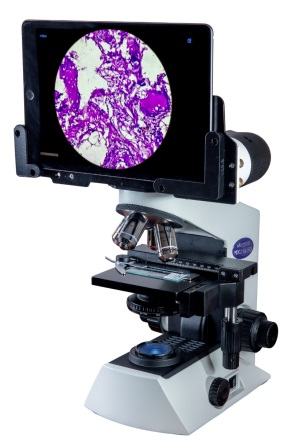
In modern scientific research and laboratory diagnostics, capturing high-quality images is just as important as observing specimens under a microscope. Laboratory cameras play a crucial role in documenting, analyzing, and sharing microscopic observations with precision.
With the advancement of digital imaging technology, modern microscope cameras allow researchers to capture high-resolution images and videos directly from microscopes. These cameras provide accurate visualization of biological samples, cellular structures, and microscopic organisms.
Today, scientific imaging cameras are widely used in research laboratories, hospitals, universities, and biotechnology institutions to support advanced microscopy and digital analysis.
What Are Laboratory Cameras?
Laboratory cameras are specialized digital imaging devices designed to attach to microscopes and capture detailed images of microscopic samples.
Unlike standard cameras, these devices are optimized for scientific imaging. They provide features such as high sensitivity, accurate color reproduction, and precise image resolution.
These cameras enable scientists to convert microscopic observations into digital images that can be stored, analyzed, and shared easily.
Importance of Microscope Cameras in Scientific Research
In traditional microscopy, scientists observed samples directly through the eyepiece. While this method allowed visual examination, it limited documentation and collaboration.
Modern digital microscope cameras solve this problem by allowing researchers to capture images and videos of samples. These images can then be analyzed using specialized software or shared with other scientists.
Laboratory cameras are particularly important for:
-
Recording research data
-
Conducting digital image analysis
-
Publishing scientific research
-
Training students and laboratory staff
-
Supporting medical diagnostics
Key Features of Scientific Imaging Cameras
Modern scientific imaging cameras offer several advanced features that improve the quality of microscopy imaging.
High Resolution Imaging
High-resolution sensors allow laboratory cameras to capture detailed images of microscopic structures. This is especially important for studying cells, tissues, and microorganisms.
High Sensitivity
Scientific cameras are designed to detect very low levels of light. This makes them ideal for fluorescence microscopy and other imaging techniques that require high sensitivity.
Real-Time Imaging
Many microscope cameras provide real-time imaging capabilities. Researchers can observe live cells and biological processes while recording videos for analysis.
Digital Image Processing
Advanced imaging software allows scientists to enhance, measure, and analyze captured images. This helps improve research accuracy and efficiency.
Types of Laboratory Cameras Used in Microscopy
There are several types of microscope cameras used in laboratories depending on the research requirements.
CMOS Cameras
CMOS cameras are widely used in laboratory imaging due to their fast image processing and high resolution. They are suitable for routine microscopy and live imaging applications.
CCD Cameras
CCD cameras provide excellent image sensitivity and are often used in fluorescence microscopy where detecting weak signals is important.
Scientific Cameras for Advanced Imaging
High-performance scientific cameras are used in advanced research fields such as molecular biology, neuroscience, and pathology.
Applications of Laboratory Cameras
Laboratory cameras support a wide range of scientific and medical applications.
Biological Research
Researchers use microscope cameras to study cell structures, microorganisms, and biological processes.
Medical Diagnostics
Pathology laboratories use digital microscope cameras to analyze tissue samples and detect diseases.
Education and Training
Universities and academic institutions use laboratory cameras to demonstrate microscopic observations to students.
Biotechnology and Pharmaceutical Research
Biotechnology companies rely on scientific imaging cameras for drug development, molecular studies, and genetic research.
Integration with Digital Laboratory Systems
Modern microscopy cameras are designed to integrate seamlessly with laboratory imaging systems and software platforms.
Digital integration allows laboratories to:
-
Store large volumes of imaging data
-
Perform advanced image analysis
-
Share results with research teams
-
Maintain digital documentation of experiments
This improves laboratory workflow and enhances research productivity.
Advantages of Digital Microscope Cameras
Using laboratory cameras in microscopy offers several advantages:
-
Improved accuracy in scientific imaging
-
Digital storage of research data
-
Easy sharing of images and videos
-
Enhanced visualization of microscopic structures
-
Better documentation for research publications
These benefits make scientific imaging cameras an essential tool for modern laboratories.
Future Trends in Scientific Imaging Cameras
Scientific imaging technology continues to evolve rapidly. Modern laboratories are adopting advanced cameras with improved resolution, faster processing speeds, and AI-powered image analysis.
Automation is also becoming a key trend in microscopy imaging systems. Automated cameras can capture images at predefined intervals, enabling long-term observation of biological samples.
These technological advancements will further enhance the role of laboratory cameras in scientific research and diagnostics.
Conclusion
Laboratory cameras have become indispensable tools in modern microscopy and scientific research. By enabling high-resolution digital imaging, these cameras help scientists document, analyze, and share their discoveries effectively.
From biological research and medical diagnostics to biotechnology innovation and education, microscope cameras support a wide range of applications in laboratories around the world.
As imaging technology continues to advance, laboratory cameras will play an even greater role in improving scientific research, diagnostics, and technological development.




Leave a Reply