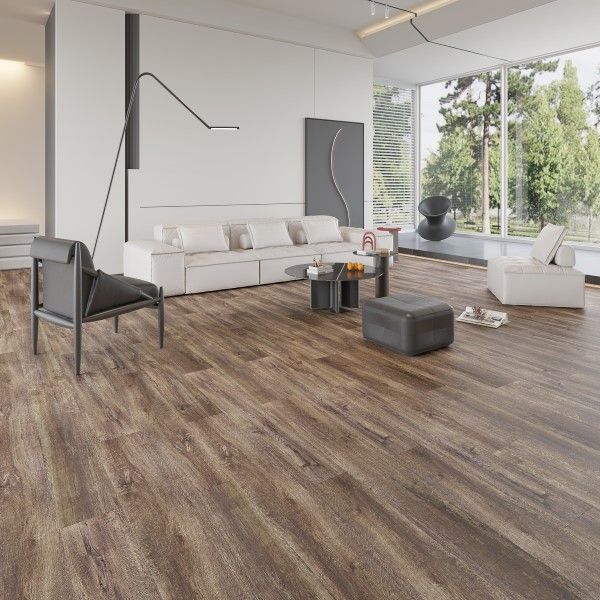
Choosing flooring decisions is rarely a small matter. Once installed, you live with them every day. You see them in morning light, under evening lamps, beneath sofas, dining tables, and everything in between. That is one reason wood flooring continues to attract attention in modern homes. It has a way of settling into a space naturally, without trying too hard.
But popularity alone is not enough reason to choose it. A modern home demands materials that look good, function well, and justify their cost. So, is wood flooring truly a smart choice? The answer depends on what you expect from it.
Are Wood Floors Still Popular in Modern Homes?
Wooden floors are still popular in modern homes, not just because they have been around for decades.
Modern interiors often lean toward open layouts and restrained colour schemes. When walls are neutral and furniture is minimal, the floor carries more visual responsibility. Wood flooring introduces a subtle texture into the room. It prevents spaces from feeling flat or overly clinical.
Light finishes are especially common today, as they reflect daylight, making smaller homes feel less confined. In larger homes, deeper shades introduce contrast and grounding. Layout styles such as engineered herringbone flooring are also being used to add personality without overwhelming clean architectural lines.
Beyond style, there is a sense of permanence attached to wood flooring. It rarely feels temporary. That perception alone keeps it relevant in both newly built homes and renovations.
What Types of Wood Floors Suit Modern Living?
Different households require different solutions. Foot traffic, climate, and budget all influence the final choice.
Engineered Wood Flooring
Engineered wood flooring combines a hardwood surface layer with a core beneath. This construction improves stability, especially in environments where slight temperature changes occur.
For homeowners who want the look of traditional wood flooring but with added reliability, this is often the practical option. It works well in apartments and homes with underfloor heating. Wider planks and engineered herringbone flooring layouts are frequently chosen in open-plan areas to create a gentle visual structure.
It typically falls into a mid-range price category, balancing cost and performance.
Oak Wood Flooring
Oak remains one of the most dependable timber flooring materials. It is strong, widely available, and adaptable to different finishes. Its grain adds natural detail without appearing busy.
Oak wood flooring can be finished in pale tones for a clean, contemporary effect or in deeper stains for a more dramatic atmosphere. Because of its durability, it is often used in living areas and hallways where regular movement is expected.
While it requires an investment, many homeowners view it as a steady, long-term option.
Solid Wood Flooring
Solid wood flooring is made from single pieces of hardwood. It offers authenticity that engineered alternatives aim to replicate. One advantage is that it can be sanded and refinished multiple times, significantly extending its lifespan.
However, it is more sensitive to moisture and humidity. Stable indoor conditions are important. Solid wood flooring is usually the highest-cost option, but for homeowners planning to stay long term, it can be worthwhile.
Laminate Wood Flooring
Laminate wood flooring provides the visual effect of natural wood flooring at a lower cost. It uses a detailed surface layer protected by a durable coating.
In homes with children or pets, this flooring can be appealing for its scratch resistance and minimal upkeep. It does not offer refinishing capability like solid wood flooring, but it serves well in high-traffic areas.
It generally sits in the more affordable price range.
How Does This Flooring Improve the Overall Look of a Home?
Wood flooring subtly shapes a room’s atmosphere. It connects spaces. Using the same finish throughout the living and dining areas helps open layouts feel cohesive. It also softens modern materials such as glass and metal. The natural grain patterns introduce movement without visual noise.
Comfort plays a role as well. Compared to tile, wood flooring feels warmer underfoot, especially during cooler months. Even laminate flooring can provide a similar warmth in appearance.
Patterned options, such as engineered herringbone flooring, add architectural interest without requiring bold decorative choices. The floor itself becomes part of the design rather than a background detail.
What About Costs?
Costs vary depending on the material and installation.
- Laminate wood flooring is usually the most budget-friendly.
- Engineered wood flooring falls into a moderate range.
- Solid wood flooring requires the highest upfront investment.
Additional factors, such as underlay and professional fitting, will influence the total cost. While wood flooring may cost more initially than vinyl or ceramic alternatives, it often retains its appeal longer.
Final Thoughts
Is wood flooring a good choice for modern homes? In many situations, yes, but it is not a one-size-fits-all solution. Engineered wood flooring offers balance and stability. Oak wood flooring provides durability and design flexibility. Solid wood flooring delivers longevity. Laminate wood flooring makes the look more accessible.
The right decision depends on how you use your space and how much maintenance you are comfortable with. When selected carefully, wood flooring does more than complete a room; it becomes part of the home’s everyday experience.



Leave a Reply