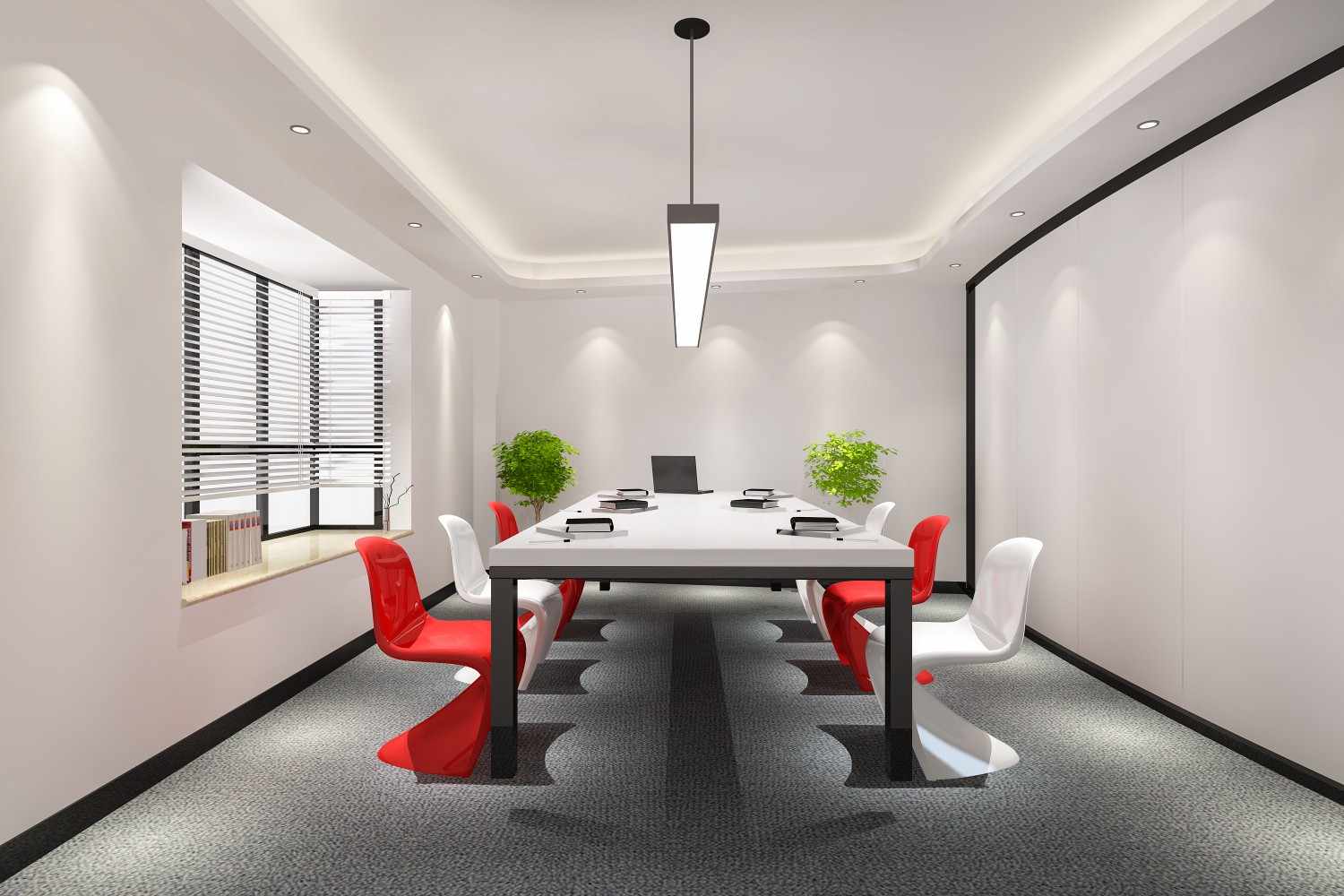
Creating impactful commercial interiors in the UAE requires a careful balance between aesthetics, functionality, and financial planning. Businesses today are increasingly focused on achieving premium environments without exceeding allocated budgets. This is where interior fitout companies in UAE contribute significantly by delivering strategic solutions that combine quality craftsmanship with cost control.
Cost-effective design is not about selecting the cheapest materials or reducing essential elements. Instead, it revolves around smart planning, efficient resource management, and thoughtful execution that ensures long-term value. Whether it’s an office, retail outlet, hospitality venue, or healthcare facility, companies seek interiors that enhance performance while remaining financially sustainable.
Understanding Cost-Effective Design in Modern Fit-Out Projects
Defining True Value in Interior Design
Cost-effective design focuses on maximizing return on investment. It ensures that every design decision contributes to both visual appeal and operational efficiency. True value comes from:
- Durable materials
- Efficient layouts
- Energy-saving systems
- Reduced maintenance requirements
- Minimal project delays
When these elements are integrated properly, businesses benefit from spaces that remain functional and attractive for years.
Strategic Budget Allocation
A successful fit-out project begins with clear budget planning. Experienced professionals analyze project scope, expected timeline, labor costs, approvals, and procurement strategies. Proper allocation prevents unexpected financial strain and ensures transparency throughout the project lifecycle.
Efficient Space Planning as a Cost-Saving Tool
Maximizing Every Square Meter
In high-demand commercial markets like Dubai and Abu Dhabi, space optimization is critical. Efficient layouts reduce unnecessary construction work while improving workflow and productivity.
Open-plan offices, flexible workstations, and multipurpose meeting rooms are examples of design strategies that minimize build costs without sacrificing functionality.
Reducing Structural Modifications
Avoiding major structural changes significantly lowers construction expenses. By working with the existing architectural framework, designers can minimize demolition, reconstruction, and material waste.
Smart Material Selection for Long-Term Savings
Choosing Durable Finishes
Durability directly impacts cost efficiency. High-quality laminates, engineered wood, and resilient flooring options often provide similar aesthetics to premium materials at a fraction of the cost. More importantly, they require less maintenance over time.
Sustainable Materials
Eco-friendly materials not only reduce environmental impact but also lower operational costs. Energy-efficient lighting systems, insulated glass partitions, and sustainable flooring solutions contribute to long-term savings.
Lifecycle Cost Analysis
Instead of focusing solely on initial expenses, professionals evaluate lifecycle costs. Investing slightly more in robust materials can reduce repair and replacement costs in the future.
Leveraging Technology to Minimize Expenses
3D Visualization and Pre-Planning
Advanced rendering tools allow clients to visualize their space before construction begins. This reduces the likelihood of late-stage modifications, which can significantly increase costs.
Building Information Modeling (BIM)
BIM technology improves coordination between contractors, designers, and suppliers. It identifies potential issues before execution, preventing delays and rework.
Smart Energy Systems
Automated lighting and climate control systems optimize electricity usage. Although they may require upfront investment, they offer substantial savings over time.
Value Engineering: Enhancing Efficiency Without Compromise
Identifying Cost-Effective Alternatives
Value engineering involves analyzing materials and construction methods to find equally effective yet more economical alternatives. For example:
- Replacing natural stone with high-quality porcelain tiles
- Using modular ceiling systems instead of custom installations
- Opting for prefabricated joinery components
These substitutions maintain design integrity while controlling expenses.
Streamlining Procurement
Bulk purchasing and supplier negotiations reduce material costs. Established contractors often maintain strong supplier relationships, enabling competitive pricing.
Cost-Effective Office Fit-Out Strategies
Flexible Workspaces
Modern offices prioritize adaptability. Modular furniture systems and movable partitions allow businesses to adjust layouts without major renovations.
Minimalist Design Approach
Minimalist interiors focus on clean lines, neutral palettes, and uncluttered layouts. This design philosophy often requires fewer materials and reduces decorative expenses.
Phased Implementation
Executing projects in phases allows companies to manage cash flow efficiently while minimizing business disruptions.
Budget-Friendly Retail and Hospitality Interiors
Prioritizing High-Impact Zones
Retail stores and hospitality venues benefit from focusing investments on visually dominant areas such as entrances, display walls, and reception counters. Strategic lighting and creative finishes can elevate these areas without excessive spending.
Creative Use of Lighting
Lighting can transform interiors dramatically. Layered lighting designs create premium ambiance while using energy-efficient fixtures to reduce electricity costs.
Importance of Integrated Project Management
Seamless Coordination
An integrated design-build model enhances communication between stakeholders. This reduces misunderstandings, prevents duplication of efforts, and ensures timely completion.
Accurate Cost Tracking
Regular financial reporting and milestone tracking keep projects aligned with budget expectations. Transparent communication builds trust and reduces uncertainty.
Sustainability and Cost Efficiency
Sustainable design practices are increasingly integrated into UAE commercial developments.
- LED lighting reduces energy bills
- Efficient HVAC systems minimize maintenance costs
- Natural ventilation lowers cooling expenses
Green strategies not only align with environmental standards but also improve long-term financial performance.
Avoiding Common Budget Pitfalls
Frequent Design Revisions
Late design changes can inflate costs due to additional labor and material adjustments. Detailed planning and pre-approval processes help prevent such issues.
Ignoring Compliance Requirements
Permit approvals and regulatory compliance can impact timelines and budgets. Early consultation ensures smoother execution.
Selecting Based Solely on Price
The lowest quotation may compromise quality. Evaluating experience, technical expertise, and portfolio strength ensures better long-term value.
The Competitive Edge of Professional Expertise
Working with experienced specialists provides access to technical knowledge, efficient resource management, and strategic execution. Companies across the region frequently collaborate with reputable interior design companies in Dubai to achieve interiors that reflect brand identity while maintaining financial discipline.
Professionals understand market trends, local regulations, and supply chain dynamics. Their expertise helps avoid unnecessary expenses while ensuring high standards of craftsmanship.
Future Outlook: Smart and Sustainable Interiors
The demand for adaptable, tech-integrated, and sustainable interiors continues to grow. Businesses are seeking solutions that combine flexibility with long-term cost control.
Emerging trends include:
- Hybrid workspace configurations
- Modular construction techniques
- Eco-certified materials
- Digital monitoring systems for energy efficiency
These innovations enable businesses to maintain competitiveness while optimizing operational expenses.
Final Thought: Delivering Quality Within Budget
Cost-effective design is a strategic process that combines planning, innovation, and technical expertise. From smart material selection to advanced project management and sustainable practices, achieving financial efficiency does not require sacrificing quality.
By prioritizing long-term value over short-term savings, businesses can create inspiring environments that enhance productivity and customer experience. With the right approach, commercial spaces across the UAE can achieve excellence, durability, and affordability proving that exceptional interior solutions are possible within well-managed budgets.



Leave a Reply