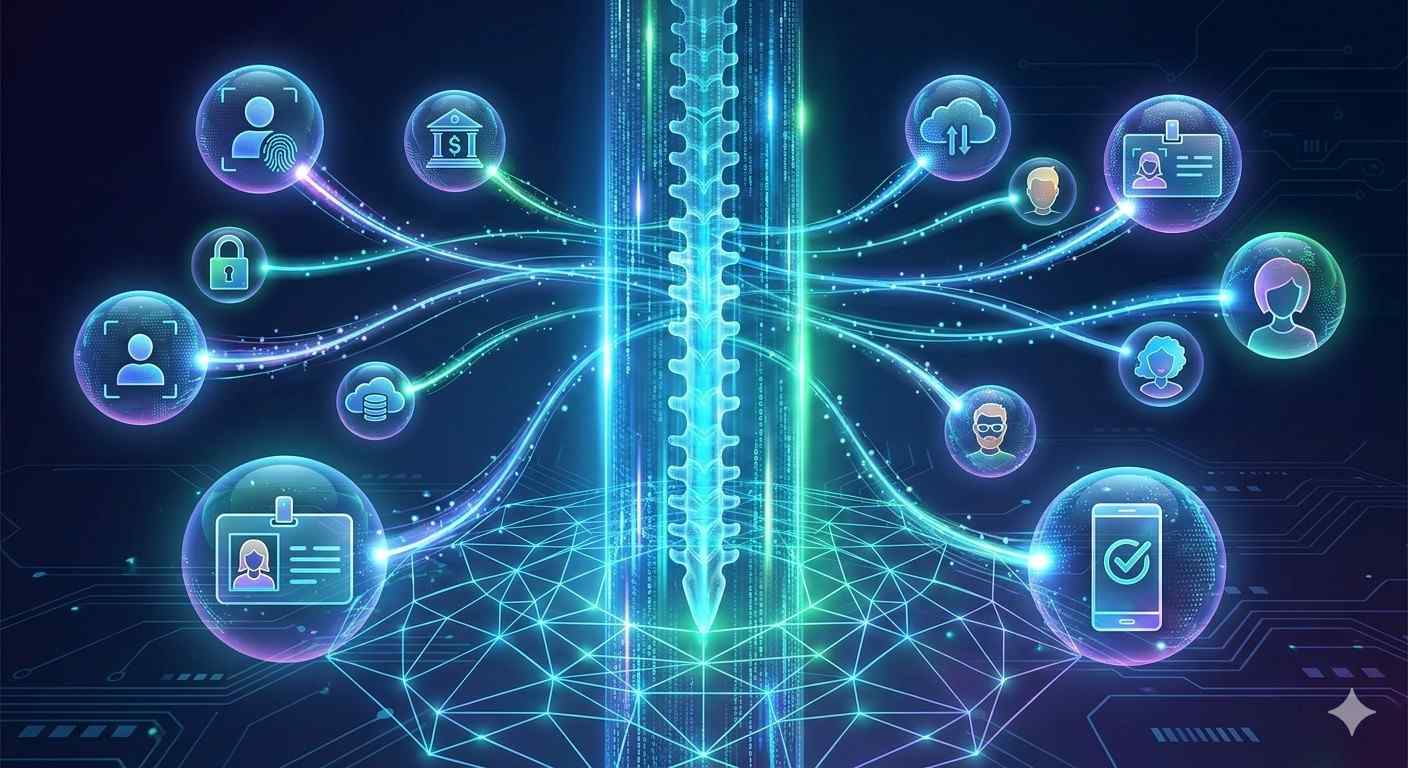
In a world where almost everything happens online from opening bank accounts to accessing government services – proving who you are digitally has become just as important as proving who you are in person. As digital services expand, digital identity has become the foundation of secure online interactions. Yet the internet was never originally designed to verify identity securely. This gap has created one of the biggest challenges of the digital age: how to trust identities and manage digital identity in a virtual environment.
Cybercrime, identity theft, and data breaches have exposed the weaknesses of traditional identity verification methods. Passwords alone are no longer enough, and manual identity checks cannot keep up with the scale of digital services. As a result, organizations and governments are turning to identity proofing software to create safer and more reliable digital ecosystems.
Identity proofing software is emerging as a critical technology that enables secure digital identity verification, reduces fraud, and strengthens digital trust across online platforms. By combining artificial intelligence, biometrics, and secure credential verification, these systems help confirm that the person behind a screen is truly who they claim to be.
The Digital Identity Problem
The rapid growth of digital services has created a new challenge: identity without physical presence.
When people interact with digital systems, organizations cannot rely on face-to-face verification. Instead, they must verify identities remotely while ensuring that fraudsters cannot exploit the system.
This challenge affects many sectors, including:
- Digital government services
- Online banking and financial services
- Healthcare platforms
- Remote work systems
- Education credential verification
Without reliable identity verification, digital platforms risk becoming vulnerable to fraud, impersonation, and cyberattacks.
Identity proofing software addresses this issue by providing automated identity verification systems that can validate identities in seconds.
Read More: Digital Identity Verification: Stop Fraud Before It Starts
How Identity Proofing Software Works
Identity proofing software verifies a person’s identity through a multi-layered digital process. Instead of relying on a single authentication method, these systems combine multiple verification technologies.
Common identity proofing methods include:
Document Verification
Users upload government-issued identification such as passports or digital ID cards. The software analyzes the document using AI-powered recognition tools to verify authenticity.
Biometric Authentication
Biometric technologies like facial recognition, fingerprint scanning, or voice recognition confirm that the person presenting the identity document is the legitimate owner.
Liveness Detection
To prevent fraud using photos or recorded videos, advanced systems use liveness detection to ensure that the person interacting with the system is physically present.
Device and Behavioral Analysis
Identity proofing systems can analyze device information and user behavior patterns to detect suspicious activity.
By combining these verification methods, identity proofing software creates a strong identity assurance framework that significantly reduces identity fraud.
Why Digital Trust Depends on Identity Proofing
Trust is the backbone of any digital ecosystem. Without trust, users hesitate to share personal information or interact with digital platforms.
Digital trust depends on three core principles:
- Security – protecting user data from unauthorized access
- Transparency – ensuring systems operate fairly and openly
- Reliability – providing consistent and accurate identity verification
Identity proofing software supports these principles by ensuring that only verified users can access sensitive systems.
When citizens trust digital platforms, they are more willing to adopt digital government services, online banking, and other digital solutions.
The Role of Identity Proofing in Digital Government
As governments expand digital public services, identity verification becomes even more important. Services such as tax filing, licensing, and benefit distribution require reliable identity confirmation.
Identity proofing software allows governments to provide services such as:
- Secure digital identity registration
- Remote verification for public services
- Digital ID issuance
- Online voting authentication
- Secure access to citizen portals
This technology enables governments to move toward fully digital public service systems while maintaining strong security and transparency.
Identity Proofing and the Rise of Verifiable Credentials
Another major development in digital identity is the rise of verifiable credentials.
Verifiable credentials are digital versions of documents that can be securely issued and verified online. These may include:
- Educational certificates
- Professional licenses
- Government permits
- Health credentials
Instead of sending copies of documents, individuals can share verified credentials that can be authenticated instantly.
Identity proofing software plays a key role in issuing these credentials by ensuring that the recipient’s identity has been accurately verified.
Blockchain and the Future of Digital Identity
Blockchain technology is also transforming how digital identities are managed.
Traditional identity systems rely on centralized databases that store sensitive personal information. These databases can become targets for cyberattacks.
Blockchain-based identity systems introduce a decentralized approach where individuals control their own credentials.
This concept, known as decentralized identity, allows users to store credentials securely and share them only when necessary.
When integrated with identity proofing software, blockchain identity solutions can provide:
- Tamper-proof digital credentials
- Secure credential verification
- Reduced identity fraud
- Greater user control over personal data
This combination is shaping the next generation of digital identity systems.
Benefits of Identity Proofing Software
Identity proofing software provides numerous advantages for organizations and governments.
Stronger Fraud Prevention
Advanced verification methods significantly reduce identity theft and impersonation attacks.
Faster Identity Verification
Automated systems verify identities within seconds, improving efficiency.
Improved User Experience
Users can verify their identities remotely without visiting offices.
Regulatory Compliance
Identity proofing solutions help organizations comply with identity verification regulations.
Scalable Digital Services
Automated verification allows organizations to serve millions of users securely.
Challenges and Considerations
Despite its benefits, identity proofing technology also raises important considerations.
Privacy remains one of the biggest concerns. Organizations must ensure that identity data is stored and processed securely.
Interoperability between different identity systems is another challenge. Digital identity frameworks must be able to work across organizations and borders.
Finally, digital inclusion must be considered. Identity systems should be accessible to all individuals, regardless of technological literacy.
The Future of Identity Proofing
The future of digital identity will be shaped by a combination of emerging technologies, including artificial intelligence, biometric authentication, blockchain networks, and decentralized identity frameworks.
Identity proofing software will evolve to become more intelligent, adaptive, and privacy-focused.
In the coming years, digital identities may become universal credentials that allow individuals to securely interact with services across multiple platforms and countries.
As digital ecosystems continue to expand, identity proofing will remain the foundation of secure digital trust.
Conclusion
In a world driven by digital interactions, verifying identity has become one of the most important challenges of modern technology.
Identity proofing software provides the tools needed to confirm identities securely while protecting user data and preventing fraud.
By integrating technologies such as biometric authentication, verifiable credentials, and blockchain-based identity systems, identity proofing solutions are helping build a safer and more trustworthy digital future for governments, organizations and business environments alike.
As digital services continue to evolve, organizations that invest in strong identity verification frameworks will be better positioned to create secure, trusted, and user-friendly digital environments.




Leave a Reply