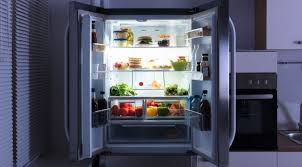
Modern refrigerators have evolved significantly, offering features that make everyday kitchen tasks easier and more efficient. One such innovation is the frost-free refrigerator, which eliminates the need for the time-consuming process of manual defrosting.
Unlike traditional refrigerators that accumulate ice inside the freezer, frost-free models automatically prevent frost buildup. This not only saves time but also improves cooling efficiency and food preservation. If you are planning to upgrade your appliance, understanding how frost-free technology works can help you make a more informed decision.
What Is a Frost-Free Refrigerator?
A frost-free refrigerator is designed to prevent ice formation inside the freezer compartment. In conventional refrigerators, moisture in the air freezes and gradually builds up as frost on the freezer walls. Over time, this frost reduces storage space and affects cooling efficiency. Frost-free refrigerators solve this issue by using automatic defrost technology that regularly removes frost before it accumulates. As a result, users do not have to manually switch off the appliance or scrape away ice buildup.
The Problem with Manual Defrost
Traditional refrigerators, particularly direct-cool models, often develop thick layers of ice inside the freezer. This creates several problems:
- Reduced storage space: Ice buildup takes up valuable room in the freezer.
- Blocked airflow: Frost restricts air circulation, affecting cooling performance.
- Lower efficiency: The appliance has to work harder to maintain temperature.
- Time-consuming maintenance: Manual defrosting requires turning off the refrigerator, removing food, and waiting for the ice to melt.
The manual defrost process can take several hours and often leads to water leakage inside the kitchen. Frost-free refrigerators eliminate this inconvenience entirely.
How Frost-Free Technology Works
Frost-free refrigerators use a combination of fans, heating elements, and automatic defrost cycles to prevent ice formation. Here’s how the system works:
1. Continuous Air Circulation
A built-in fan circulates cold air evenly throughout the refrigerator and freezer compartments. This constant airflow prevents moisture from settling and forming frost on the walls.
2. Heating Element Activation
The appliance includes small heating coils located near the evaporator. These coils periodically warm up to melt any small amount of frost that may begin forming.
3. Automatic Defrost Cycle
At regular intervals, the refrigerator activates a defrost cycle. During this process:
- Frost melts into water
- The water flows into a drainage system
- It collects in an evaporation tray near the compressor
- The heat from the compressor evaporates the water
This entire process happens automatically without affecting the stored food.
Key Benefits of Frost-Free Refrigerators
Frost-free refrigerators offer several advantages beyond eliminating manual defrosting.
1. Greater Convenience
The biggest benefit is hands-free maintenance. You no longer need to shut down the refrigerator or remove food to clear ice buildup.
2. Better Storage Space
Without frost accumulation, the freezer remains fully usable, allowing more space for frozen foods.
3. Consistent Cooling
Air circulation ensures that cold air reaches all compartments evenly, maintaining a stable temperature for better food preservation.
4. Improved Energy Efficiency
When frost builds up, refrigerators consume more electricity to maintain cooling. Frost-free models prevent this issue, helping the appliance run more efficiently.
5. Cleaner and Hygienic Storage
Frost can trap moisture and food particles, creating unhygienic conditions. Frost-free refrigerators maintain a cleaner interior environment.
6. Longer Appliance Lifespan
Since the system automatically regulates frost and temperature, the appliance experiences less strain, which can help extend its lifespan.
Considering Fridge Price When Buying a Frost-Free Model
refrigerators typically cost more than direct-cool models. However, their convenience and efficiency often justify the higher price. When evaluating refrigerator prices, consider the following factors:
1. Capacity
Larger refrigerators with higher storage capacity generally cost more. Choose a size based on your household needs.
2. Features
Modern refrigerators may include features such as:
- Convertible freezer modes
- Multi-door designs
- Smart temperature controls
- Digital displays
These features can increase the overall price but add convenience.
3. Energy Efficiency
Energy-efficient models with higher star ratings may have a slightly higher initial cost but help reduce electricity bills over time.
4. Brand and Build Quality
Refrigerators from well-known brands often offer better reliability, durability, and customer support.
5. Long-Term Value
Although frost-free refrigerators are more expensive upfront, they require less maintenance and offer better cooling performance, making them a good long-term investment.
Conclusion
Frost-free refrigerators have transformed the way households manage food storage. By using automatic defrost systems, air circulation, and heating elements, these appliances prevent frost buildup and eliminate the need for manual defrosting. In addition to saving time and effort, frost-free refrigerators provide better cooling efficiency, improved hygiene, and maximum storage space. While they may have a higher initial price than traditional models, their convenience and long-term benefits make them a worthwhile investment. If you want a refrigerator that offers efficient cooling and minimal maintenance, a frost-free model is an excellent choice for modern kitchens.



Leave a Reply