You want a digital marketing agency in Vancouver that knows the local market and delivers measurable growth across SEO, paid ads, social, and creative services. A strong local agency will align those services to your business goals, attract targeted customers, and prove results with clear metrics—so you stop guessing which tactics work.
This post will show Digital Marketing Agency & how agencies in Vancouver structure services, what to expect from SEO, ads, social, and web work, and which questions to ask when choosing a partner. By the end, you’ll know how to compare capabilities, pricing, and cultural fit so you can pick an agency that actually moves your business forward.
Services Offered by Digital Marketing Agencies in Vancouver
Vancouver agencies focus on measurable growth: improving visibility, driving targeted traffic, engaging audiences on social platforms, and producing content that converts. Expect service packages tailored to your industry, budget, and growth stage with clear KPIs and reporting cadence.
Search Engine Optimization (SEO)
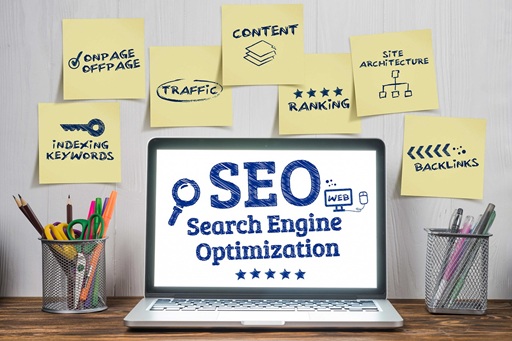
SEO work targets both technical and content-driven improvements so your site ranks for the queries customers actually use. Agencies audit site architecture, fix crawlability issues, and optimize page speed and mobile responsiveness to meet Google’s standards.
They perform keyword research grounded in local and national intent, then map keywords to pages and create a prioritized content plan. On-page tasks include title and meta optimization, schema markup, and improving internal linking to boost relevancy.
Link-building focuses on acquiring authoritative, relevant backlinks through outreach, partnerships, and digital PR rather than low-quality directories. Reporting emphasizes organic traffic, keyword rankings, conversion rate, and pages that drive revenue.
Pay-Per-Click Advertising
PPC delivers immediate visibility by bidding on search and social placements that match your buyer intent. Agencies set up campaigns across Google Ads, Microsoft Ads, and platforms like Meta and LinkedIn depending on where your customers convert.
They build segmented campaigns with tailored ad copy, SKAGs (single-keyword ad groups) where appropriate, and conversion-tracked landing pages. Bid strategies can be manual, target CPA, or ROAS-driven and are routinely adjusted based on performance data.
You get continuous A/B testing of creatives, audience targeting (including remarketing lists and lookalikes), and budget reallocation to top-performing channels. Reporting centers on cost per acquisition, return on ad spend, click-through rates, and lifetime value when available.
Social Media Management
Social management involves content planning, community engagement, and paid amplification aligned to your brand voice and audience habits. Agencies create platform-specific calendars for Facebook, Instagram, X, LinkedIn, TikTok, and YouTube based on where your customers spend time.
They produce organic posts, stories/reels, and short-form video with captions and hashtags optimized for discoverability. Community tasks include comment moderation, customer messaging workflows, and escalation processes for sensitive issues.
Paid social complements organic work through precise audience targeting, conversion-focused creatives, and split-testing. Deliverables and KPIs typically include follower growth, engagement rate, leads generated, and cost per lead.
Content Creation and Strategy
Content strategy starts with an editorial calendar tied to keyword opportunity, customer journeys, and business goals. Agencies map content types—blog posts, long-form guides, product pages, email sequences, video, and interactive tools—to stages in your funnel.
Writers and producers create SEO-optimized articles, product descriptions, case studies, and video scripts that reflect your tone and authority. Visual assets include branded templates, thumbnail design, and short-form videos formatted per platform specifications.
Distribution plans combine organic publishing, email nurture, syndication, and paid promotion. You receive content performance metrics such as time on page, lead conversion rate, content-attributed revenue, and engagement by content type.
Choosing the Right Vancouver Digital Marketing Agency
Focus on measurable ROI, fit with your budget and team, and local market knowledge. Prioritize agencies that show specific outcomes, transparent pricing, and a clear plan for your primary channels (SEO, paid media, social, or email).
Key Factors to Consider
Start with goals: know whether you need lead generation, brand awareness, ecommerce growth, or retention. An agency that promises “growth” without channel-specific KPIs likely won’t meet your needs.
Ask about pricing models and deliverables. Request a clear scope (monthly retainer, hourly rates, or project fees), a list of deliverables, and expected timelines. Compare what you get for a $1,000 starter retainer versus a mid-market $5,000–$15,000 engagement.
Check team structure and communication. Verify who will do the work—account manager, strategist, specialists—and how often you’ll get reports. Demand access to analytics and campaign dashboards so you can track performance yourself.
Confirm tools and certifications. Look for agencies using industry-standard platforms (Google Ads, Meta, HubSpot, Semrush) and holding relevant certifications. Those tools and credentials reduce ramp-up time and improve reporting accuracy.
Experience with Local Businesses
Local market knowledge matters in Vancouver’s diverse economy—tech, tourism, film, and professional services each require different messaging. Choose an agency that has recent campaigns for businesses operating in BC or the Pacific Northwest.
Ask for examples tied to Vancouver-specific objectives. For instance: local SEO that improved map-pack rankings, paid campaigns optimized for Vancouver neighborhoods, or social content that resonated with local cultural events. Generic national campaigns may not translate well.
Evaluate regulatory and seasonal experience. Agencies familiar with Canadian privacy rules (CASL, PIPEDA implications for email and data) and BC tourism seasonality will avoid costly mistakes. Local media buying relationships—radio, transit, community sites—can also increase reach efficiently.
Evaluating Case Studies
Demand case studies with raw metrics, timelines, and the problem-to-solution path. A strong case study lists baseline KPIs, specific tactics (keyword targets, ad creatives, landing page changes), and exact results such as percentage lifts in conversions or CPA reductions.
Look for reproducibility and relevance. Prefer studies that match your business model (B2B vs B2C, subscription vs one-time purchase) and scale. Ask follow-up questions about budget spent and whether the results held beyond the initial campaign window.
Check client testimonials and references. Request contactable references from Vancouver-area clients and ask about responsiveness, reporting clarity, and how the agency handled setbacks. A reference confirming real metric improvements provides stronger validation than broad praise.




Leave a Reply