Over the past decade, the UK has seen a significant shift in how people think about bread, cakes and baked treats. Once considered a niche dietary preference, gluten-free eating has moved firmly into the mainstream, driven largely by greater awareness of coeliac disease and gluten sensitivity.
According to Coeliac UK, around 1 in 100 people in the country are affected by coeliac disease, while many others experience non-coeliac gluten intolerance. For these individuals, avoiding gluten isn’t a lifestyle choice — it’s essential for maintaining good health.
This growing demand has led to a surge in specialist bakeries, online stores, and supermarket products offering alternatives to traditional wheat-based baking. Yet not all gluten-free options are created equal. The difference between average and truly exceptional gluten-free baking often comes down to ingredients, technique, and whether products are made in a dedicated environment.
For anyone navigating the world of gluten-free baking, understanding what makes quality gluten-free bread UK, cakes and cookies can make all the difference.
What Makes High-Quality Gluten-Free Bread?
Bread is often the most difficult product to replicate without gluten. In traditional baking, gluten forms the elastic network that traps air bubbles, allowing dough to rise and giving bread its chewy structure.
Without gluten, bakers must rely on alternative ingredients and techniques to recreate that texture.
In the world of gluten-free bread UK, you’ll often find blends of flours such as:
- Oat flour
- Rice flour
- Buckwheat flour
- Sorghum flour
- Potato starch
Each of these plays a role in replacing gluten’s structural properties. Oat-based recipes, in particular, have become popular because they provide a slightly nutty flavour and a softer crumb than some other gluten-free grains.
Texture is the biggest challenge. Poorly made gluten-free bread can be crumbly, dry or overly dense. Skilled bakers address this by balancing moisture, using natural binders such as psyllium husk or xanthan gum, and carefully controlling fermentation times.
Artisan baking methods also play an important role. Small-scale bakeries often allow dough to ferment slowly, developing flavour and improving texture. The result is a loaf that feels much closer to traditional bread — something many supermarket options struggle to achieve.
As demand for gluten-free bread UK continues to grow, the best bakeries are proving that gluten-free loaves can be just as satisfying as their wheat-based counterparts.
The Difference Between Good and Great Gluten-Free Cakes
Cakes present their own challenges when gluten is removed from the equation. In standard baking, gluten provides structure, helping cakes rise while maintaining a soft crumb.
Without it, cakes can easily become heavy, gummy, or dry.
The best gluten-free cakes UK rely on a careful balance of ingredients. Many bakers combine gluten-free flour blends with ingredients that naturally add moisture and richness, such as:
- Ground almonds
- Yogurt or buttermilk
- Eggs for structure
- Natural fruit purées
These elements help recreate the lightness people expect from a well-made cake.
Freshness is another key factor. Mass-produced supermarket cakes often prioritise long shelf life, which can affect flavour and texture. By contrast, freshly baked products from smaller bakeries tend to taste better and retain moisture more effectively.
High-quality gluten-free cakes UK should feel soft, balanced, and flavourful — not dense or overly sweet. When done well, many people can’t even tell they’re gluten-free.
This is why more consumers are turning to specialist bakeries rather than relying solely on packaged supermarket options.
Why Dedicated Gluten-Free Bakeries Matter
For people living with coeliac disease, avoiding gluten isn’t simply about ingredients — it’s also about safety.
Cross-contamination can occur when gluten-free foods are prepared in the same environment as wheat-based products. Even small traces of flour can trigger reactions in sensitive individuals.
That’s where a dedicated gluten free bakery UK becomes important.
Specialist bakeries operate entirely gluten-free kitchens, meaning there’s no wheat flour present and far lower risk of contamination. Equipment, preparation areas and ingredients are all carefully controlled to maintain gluten-free standards.
This approach gives customers far greater confidence when purchasing baked goods.
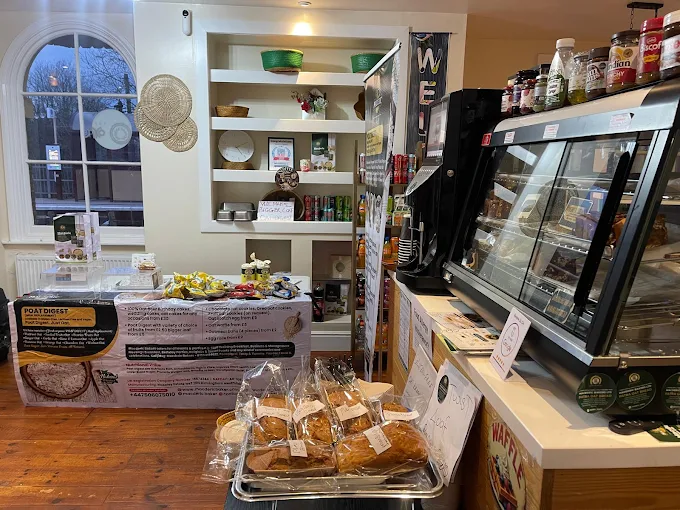
Independent bakeries such as Macderic Bakers in Albrighton focus entirely on gluten-free baking, producing oat-based breads, cakes and pastries for customers across the UK.
These types of bakeries demonstrate how specialised knowledge and careful ingredient sourcing can transform gluten-free baking from a compromise into a genuinely enjoyable experience.
As awareness grows, many consumers are actively seeking out a gluten free bakery UK that prioritises both safety and quality.
Are Gluten-Free Cookies Worth It?
Cookies are often one of the easiest baked goods to adapt for gluten-free diets, but they still require skill to get right.
Traditional cookies rely on wheat flour to hold their shape and provide a crisp yet chewy texture. When that flour is removed, bakers must carefully adjust both moisture and fat levels.
Many gluten free cookies UK use combinations of oat flour, almond flour, or rice flour to create structure. Oats in particular work well for cookies, offering a hearty texture that complements flavours such as chocolate, cinnamon or dried fruit.
Sweeteners also play an important role. Brown sugar, honey, or maple syrup can add moisture while helping cookies maintain their softness.
The result, when done well, is a biscuit that’s crisp on the outside and chewy in the centre — exactly what cookie lovers expect.
Artisan bakeries often excel in this area because they can experiment with small batches, refining recipes until they achieve the perfect balance. Many customers now specifically search for gluten free cookies UK from independent bakeries rather than relying on supermarket alternatives.
When baked fresh with quality ingredients, gluten-free cookies can be every bit as indulgent as traditional ones.
Tips for Choosing the Best Gluten-Free Bakery
With so many products now available, choosing the right gluten-free bakery can feel overwhelming. However, a few simple guidelines can help you identify high-quality options.
- Look for ingredient transparency
Trustworthy bakeries clearly list their ingredients and explain their baking methods. This helps customers understand exactly what they’re eating. - Check for dedicated gluten-free environments
A true gluten free bakery UK should operate a kitchen free from wheat flour and cross-contamination risks. - Read customer reviews
Online reviews can reveal a lot about flavour, freshness, and consistency. - Support artisan bakeries
Smaller bakeries often focus on quality over mass production, producing fresh bread and cakes in smaller batches. - Consider ordering online
Many gluten-free bakeries now deliver across the country, making it easier to access freshly baked goods even if there isn’t a specialist shop nearby.
Taking the time to find a reliable bakery can significantly improve the gluten-free eating experience.
The Future of Gluten-Free Baking in the UK
Gluten-free baking has evolved dramatically over the past decade. What was once a limited market of dense bread and dry cakes has transformed into a thriving industry full of innovation.
Today’s bakers are experimenting with new flour blends, fermentation techniques, and artisan baking methods that deliver flavour and texture once thought impossible without gluten.
For people living with coeliac disease or gluten sensitivity, this progress has opened up a much wider world of options — from beautifully baked loaves to indulgent cakes and freshly made cookies.
As consumers become more informed about ingredients and food quality, demand for artisan bakeries and specialist producers is likely to continue growing.
Whether you’re searching for exceptional gluten-free bread UK, beautifully balanced gluten-free cakes UK, or freshly baked gluten free cookies UK, the key is to look for bakeries that prioritise craftsmanship, safety and quality ingredients.
With the rise of dedicated producers across the country, the UK’s gluten-free baking scene has never been more exciting — or more delicious.

Leave a Reply