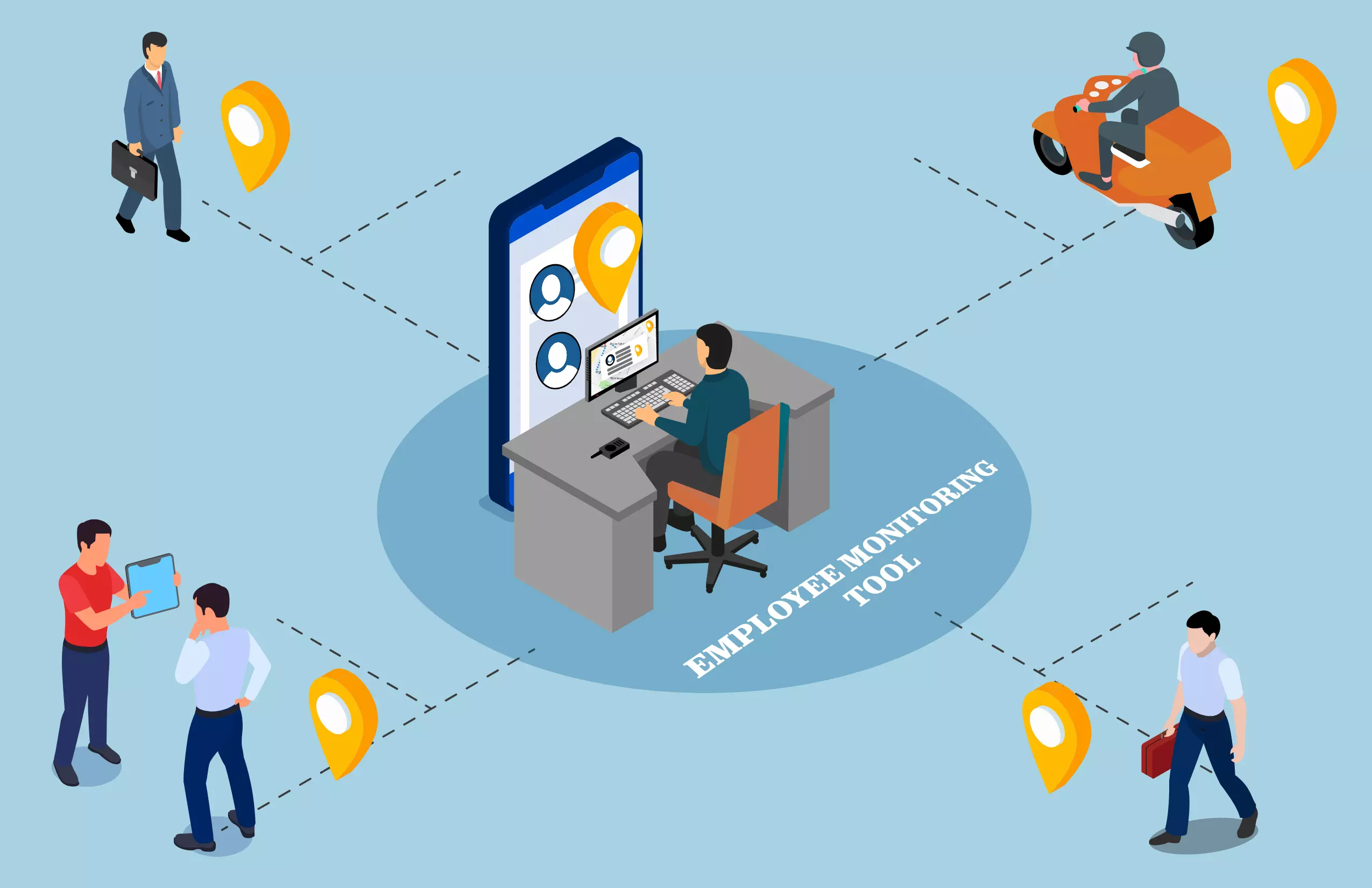
In today’s digital workplace, companies are constantly searching for ways to improve productivity, efficiency, and transparency. One of the most effective solutions businesses are adopting is employee monitoring software. These tools help organizations track work activities, analyze productivity trends, and manage teams more effectively.
A major advantage of modern monitoring tools is their ability to collect and analyze employee performance metrics. These metrics give managers valuable insights into how employees work, how time is spent, and where improvements can be made. When used responsibly, employee monitoring software can enhance both organizational performance and employee development.
Below are the 10 key benefits of using employee monitoring software in 2026.
1. Increased Employee Productivity
Employee monitoring software helps organizations understand how employees spend their working hours. By tracking tasks, applications used, and time spent on projects, managers can identify productivity patterns.
With accurate employee performance metrics, companies can determine which workflows are efficient and which need improvement. This helps employees stay focused and improves overall productivity.
2. Better Time Management
Modern monitoring tools include time-tracking features that measure how long employees spend on specific tasks.
These employee performance metrics help organizations:
-
Track billable hours
-
Improve scheduling
-
Optimize workload distribution
Employees also gain a better understanding of their daily work habits, allowing them to manage their time more effectively.
3. Improved Remote Workforce Management
Remote and hybrid work environments require better visibility into team performance. Employee monitoring software provides real-time insights into employee activities without constant supervision.
Managers can use employee performance metrics to monitor productivity levels, track project progress, and ensure remote employees remain engaged and accountable.
4. Data-Driven Decision Making
One of the biggest advantages of employee monitoring software is access to detailed analytics and reports.
These reports include important employee performance metrics such as:
-
Task completion rates
-
Active work hours
-
Application usage
-
Productivity trends
This data helps businesses make informed decisions regarding workforce management and operational improvements.
5. Enhanced Project Management
Employee monitoring tools can integrate with project management platforms to provide better oversight of tasks and deadlines.
Managers can analyze employee performance metrics to determine how quickly projects move forward, identify bottlenecks, and allocate resources efficiently. This ensures projects stay on track and deadlines are met.
6. Stronger Data Security
Data security is a major concern for modern organizations. Employee monitoring software can detect unusual activities such as unauthorized access, file transfers, or suspicious downloads.
These monitoring systems track employee performance metrics related to system usage and behavior, helping businesses prevent internal security threats and protect sensitive information.
7. Better Employee Accountability
When performance data is transparent, employees become more accountable for their work.
Using measurable employee performance metrics, organizations can clearly evaluate employee contributions, ensuring that tasks are completed on time and responsibilities are properly managed.
8. Identifying Training and Development Needs
Employee monitoring software helps managers identify performance gaps and areas where employees may need additional support.
By analyzing employee performance metrics, companies can create targeted training programs, improve skill development, and help employees grow professionally.
9. Reduced Operational Costs
By improving efficiency and productivity, employee monitoring software helps organizations reduce unnecessary expenses.
Tracking employee performance metrics allows companies to identify wasted time, optimize workflows, and ensure resources are used effectively, leading to lower operational costs.
10. Improved Workplace Transparency
Transparency is important for maintaining trust between employees and management. When monitoring tools are implemented with clear policies, employees understand how their performance is measured.
Using clear employee performance metrics, organizations can create a fair and transparent evaluation system that benefits both employees and managers.
Conclusion
In 2026, employee monitoring software has become an essential tool for modern organizations. It provides valuable insights into workplace productivity while helping businesses track and analyze important employee performance metrics.
When implemented ethically and transparently, these tools can:
-
Improve productivity
-
Strengthen data security
-
Enhance project management
-
Support employee development
By leveraging accurate employee performance data, businesses can build more efficient teams and achieve long-term success.




Leave a Reply