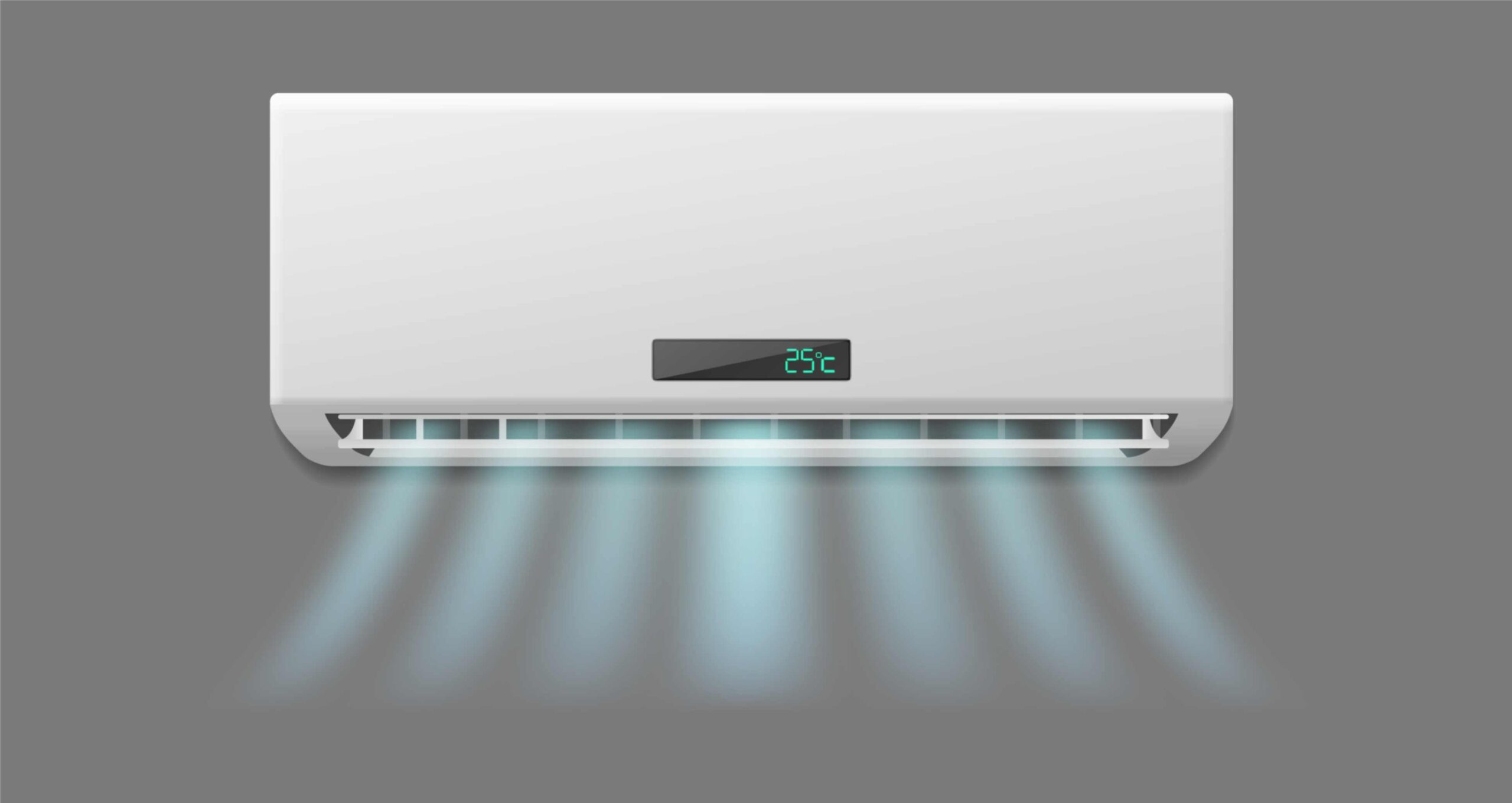
Air management plays a major role in maintaining indoor comfort, hygiene, and energy efficiency in commercial and industrial environments. One modern solution that has gained popularity is the air curtain with sensor, a smart device designed to separate indoor and outdoor air without the need for a physical barrier. By creating a controlled stream of air across an opening, it prevents unwanted air exchange while allowing smooth foot or vehicle traffic. This technology is widely used in retail stores, hospitals, warehouses, restaurants, and office buildings to improve climate control and cleanliness.
Understanding the Basics of an Air Curtain
An air curtain is a device installed above or beside a doorway that blows a steady stream of air downward or across the opening. This airflow creates an invisible barrier that separates two environments. Unlike doors or plastic strip curtains, it does not physically block access. Instead, it uses high velocity air to maintain separation between interior and exterior conditions.
Air curtains are commonly installed in entrances where doors are frequently opened. When doors remain open for long periods, heating or cooling systems must work harder to maintain indoor temperatures. An air curtain helps reduce this strain by minimizing the amount of outside air that enters the building.
The concept is simple but effective. By directing air at the right speed and angle, the system creates pressure that discourages outside air, dust, insects, and pollutants from crossing the threshold.
What Makes an Air Curtain With Sensor Different
While traditional air curtains operate continuously or manually, an air curtain equipped with a sensor introduces automation and intelligence into the system.
Sensor Integration
A sensor detects movement, temperature changes, or door activity. When someone approaches or a door opens, the system activates automatically. Once the area is clear or the door closes, it turns off or reduces speed. This automation offers multiple benefits:
- Reduced energy consumption
- Extended equipment lifespan
- Lower operational noise
- Improved convenience
The sensor ensures the unit only runs when needed. This prevents unnecessary energy use and keeps operating costs manageable.
Types of Sensors Used
Different models may use various sensor technologies:
- Motion sensors that detect movement near the doorway
- Door contact sensors that activate when a door opens
- Temperature sensors that respond to changes between indoor and outdoor environments
These smart features help the system adapt to real time conditions, improving efficiency and overall performance.
How an Air Curtain Works
To understand how it functions, it helps to break the process into simple steps.
Air Intake
The unit pulls air from the surrounding indoor environment through an intake grille. This air is filtered before being pushed through the system.
Acceleration
A powerful fan accelerates the air inside the unit. The airflow is directed toward a specially designed nozzle.
Air Stream Formation
The nozzle shapes the airflow into a smooth, consistent stream. This stream is directed downward from the top of the doorway to the floor. In some industrial settings, horizontal installations may also be used.
Barrier Creation
When properly installed and calibrated, the air stream creates an invisible seal. The velocity of the air prevents external air from infiltrating and internal conditioned air from escaping.
The strength of the barrier depends on factors such as:
- Door height and width
- Wind pressure outside the building
- Indoor temperature differences
- Fan power and airflow velocity
Proper sizing and installation are essential to ensure optimal performance.
Benefits of Using an Air Curtain With Sensor
Adding sensor technology enhances the core advantages of an air curtain system.
Energy Efficiency
By reducing air exchange between indoors and outdoors, heating and cooling systems operate more efficiently. This lowers energy bills and decreases strain on HVAC systems.
Improved Indoor Comfort
Maintaining consistent indoor temperatures enhances comfort for customers and employees. Sudden drafts or hot air bursts from outside are minimized.
Insect and Dust Control
In environments such as restaurants, food processing facilities, and grocery stores, cleanliness is critical. The air stream blocks flying insects and airborne dust from entering.
Reduced Maintenance Costs
Automated activation prevents unnecessary wear and tear. The system runs only when required, helping components last longer.
Enhanced Convenience
Because the sensor activates the unit automatically, staff members do not need to remember to switch it on or off. This ensures consistent protection without manual effort.
Applications in Commercial Spaces
Air curtains are widely used in various sectors due to their flexibility and effectiveness.
Retail Stores
Frequent door openings in retail stores can lead to high energy loss. Air curtains help maintain indoor temperatures while keeping entrances welcoming and accessible.
Restaurants and Cafes
Maintaining hygiene and preventing insects from entering food preparation areas is essential. Air curtains provide a reliable solution without obstructing customer movement.
Hospitals and Laboratories
In healthcare settings, air control helps maintain sterile environments. Air curtains assist in limiting airborne contamination between different zones.
Warehouses and Loading Docks
Large openings in warehouses can allow significant air exchange. Installing a commercial air curtain ensures temperature stability while allowing continuous movement of goods and vehicles.
Comparing Standard and Commercial Models
Not all air curtains are the same. Choosing the right model depends on the environment and operational needs.
Residential Units
These are typically smaller and designed for homes or small shops. They have lower airflow capacity and are suited for standard door heights.
Commercial Units
A commercial air curtain is designed for larger doorways and high traffic areas. It features stronger motors, higher airflow velocity, and durable construction. These units are built to operate in demanding conditions such as warehouses, supermarkets, and industrial facilities.
Commercial models may also include advanced controls, adjustable speeds, and integrated heating elements for colder climates.
Heating and Cooling Options
Some air curtains are available with heating elements. These are particularly useful in cold climates where preventing cold drafts is important.
Heated Air Curtains
Heated models warm the air stream before it is projected across the doorway. This enhances comfort and further reduces the impact of cold outdoor air.
Unheated Air Curtains
These rely solely on air velocity for separation. They are commonly used in warm climates or air conditioned environments.
The choice depends on climate conditions and building requirements.
Installation Considerations
Proper installation ensures maximum performance and longevity.
Correct Sizing
The unit must match the door dimensions. If the airflow is too weak, the barrier will not be effective. If too strong, it may cause turbulence.
Mounting Position
Most units are mounted above the doorway. The height and angle must be carefully adjusted to ensure the air stream reaches the floor without disruption.
Electrical Requirements
Commercial units may require specific electrical connections. Professional installation is recommended for larger systems.
Maintenance
Routine maintenance includes cleaning filters, checking fans, and ensuring sensors function correctly. Regular servicing keeps the system efficient and reliable.
Energy Savings and Environmental Impact
Air curtains contribute to sustainable building practices by reducing energy waste. When doors remain open for customer convenience, energy loss increases significantly. Air curtains allow businesses to keep doors open while maintaining climate control.
Lower energy consumption leads to reduced greenhouse gas emissions from HVAC systems. This aligns with modern sustainability goals and energy efficiency standards.
Sensor based automation further enhances these benefits by limiting operation to necessary periods only.
Common Misconceptions
Some people assume air curtains completely seal off indoor air from outdoor air. In reality, they significantly reduce exchange but do not create a perfect seal.
Others believe they are noisy. Modern designs incorporate quieter motors and improved airflow technology to minimize sound levels.
There is also a misconception that installation is complicated. While professional setup is recommended for large units, many systems are straightforward to install and operate.
The Role of Smart Technology
Modern air curtains increasingly integrate with building management systems. Sensors, timers, and remote controls allow facility managers to adjust performance based on real time data.
For example, airflow speed can automatically adjust depending on temperature differences. This ensures optimal performance without manual intervention.
As smart building technology advances, air curtains continue to evolve to meet higher efficiency standards.
Final Thought
An air curtain with sensor represents a smart and energy efficient solution for managing indoor environments in busy commercial and industrial spaces. By combining high velocity airflow with intelligent automation, it reduces energy loss, enhances comfort, and improves hygiene without restricting movement. Whether installed in retail stores, hospitals, warehouses, or restaurants, a properly selected and installed commercial air curtain can deliver long term operational savings and environmental benefits. Investing in this technology is not just about climate control. It is about creating cleaner, more efficient, and more comfortable spaces for everyone who enters.



Leave a Reply