Motor coverage plays a vital role for vehicle owners throughout the United Arab Emirates. Every driver must maintain valid protection before operating an automobile on public roads. While many motorists simply purchase a policy to meet legal obligations, understanding how premiums are calculated can help reduce expenses and improve financial planning. Pricing depends on numerous variables related to the driver, automobile, usage patterns, and regional regulations. Insurers evaluate these elements carefully when determining the final amount a policyholder must pay.
This article explores the main factors that influence automobile protection costs across the UAE and explains why each component matters.
Age and Driving Experience
One of the most significant elements influencing vehicle coverage cost is the motorist’s age and level of driving experience. Younger motorists typically pay higher premiums compared to mature drivers. Individuals under twenty-five often lack extensive road exposure, increasing the probability of accidents. Because of this greater perceived risk, insurers generally charge more for policies issued to younger applicants. When purchasing online car insurance, these factors are also evaluated through digital quotation systems, which calculate premium estimates based on the applicant’s age, driving record, and experience level.
.
On the other hand, motorists with several years of safe driving experience may receive more favorable rates. A long history behind the wheel indicates familiarity with traffic conditions, improved hazard awareness, and better control in difficult situations. These factors reduce the likelihood of claims, leading to lower premium calculations.
Driving Record and Claim History
Past driving behavior strongly influences insurance costs. Traffic violations, accidents, or previous claims can significantly increase premiums. Insurers review records carefully because previous incidents often suggest a higher probability of future losses.
Drivers with clean histories benefit from reduced prices since they demonstrate responsible conduct on the road. Meanwhile, individuals involved in multiple collisions or serious traffic offenses may face higher charges. Maintaining safe habits, following road rules, and avoiding penalties can help motorists qualify for more affordable coverage over time.
Type of Vehicle
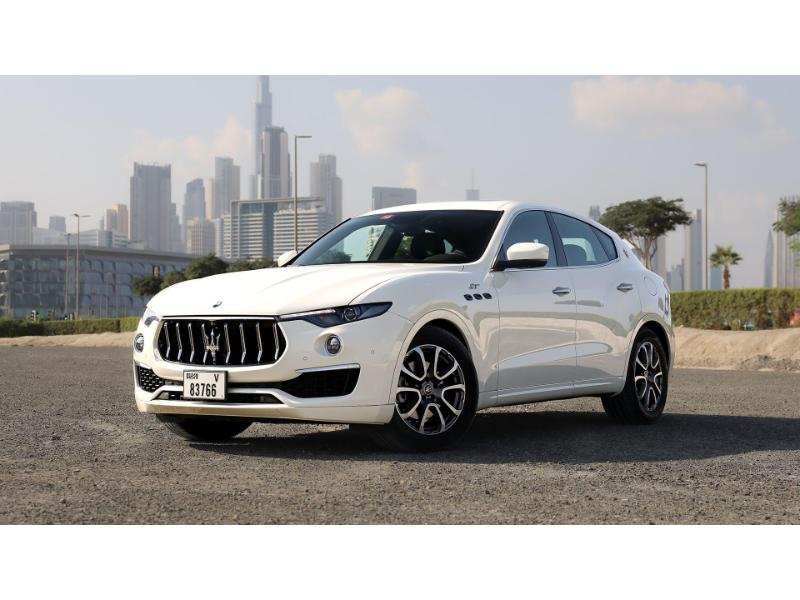
The model, brand category, engine capacity, and repair expenses associated with an automobile also influence policy pricing. High-value luxury vehicles typically cost more to insure because repairs, replacement parts, and potential theft risks are greater.
Vehicles equipped with powerful engines may also attract higher premiums due to the increased possibility of high-speed accidents. Conversely, economical automobiles with smaller engines and lower market values often require less expensive coverage. Insurance providers evaluate the estimated repair cost and overall market value before determining pricing.
Vehicle Age and Depreciation
Another factor affecting motor coverage cost is the age of the automobile. New vehicles usually require higher premiums because their replacement value remains high. If significant damage occurs, repair or replacement expenses could be substantial.
Older automobiles generally cost less to insure since their market value decreases over time. However, extremely old vehicles might present different challenges. Spare parts could become difficult to obtain, which sometimes increases repair costs. As a result, insurers assess both depreciation and maintenance considerations when calculating premiums.
Type of Insurance Coverage
The level of protection selected by a policyholder significantly impacts pricing. In the UAE, motorists can usually choose between basic third-party coverage and comprehensive protection.
Third-party policies cover damage caused to other vehicles, property, or individuals but do not protect the policyholder’s own automobile. Because the coverage scope remains limited, the premium is typically lower.
Comprehensive protection includes damage to the insured vehicle, accidents, theft, fire, natural disasters, and sometimes additional benefits. Since it offers broader security, the premium is naturally higher than a basic option.
Vehicle Usage and Annual Mileage
How frequently a vehicle is driven also influences insurance pricing. Automobiles used daily for long commutes or business activities accumulate greater mileage, increasing accident probability. Insurers therefore consider annual travel distance when calculating premiums.
Vehicles driven occasionally or primarily for leisure purposes may qualify for lower pricing because they spend less time on the road. Reduced exposure means a lower chance of incidents, resulting in decreased insurance risk.
Location and Traffic Conditions
Geographic location can affect automobile insurance rates within the UAE. Areas with heavy traffic, higher accident frequency, or increased theft risk may lead to higher premiums. Urban regions with dense population and congested roads typically present greater accident potential compared with quieter suburban zones.
Insurers study regional statistics related to road incidents, vehicle theft, and claim frequency. These patterns help determine the risk associated with insuring automobiles in certain locations.
Safety Features and Security Systems
Modern automobiles often include advanced safety technologies designed to reduce accident severity and improve driver awareness. Vehicles equipped with features such as collision warning systems, anti-lock braking technology, lane departure alerts, and electronic stability control may benefit from reduced premiums.
Security enhancements also influence insurance costs. Alarm systems, immobilizers, tracking devices, and anti-theft mechanisms decrease the likelihood of theft or unauthorized use. Because these technologies lower risk, insurers sometimes provide discounts to vehicles equipped with them.
Deductible Amount
A deductible represents the portion of repair expenses that the policyholder agrees to pay before insurance coverage begins. Choosing a higher deductible typically reduces the premium because the policyholder assumes greater financial responsibility in the event of a claim.
Conversely, selecting a lower deductible increases the insurer’s potential payout, which usually results in higher premium costs. Motorists must carefully evaluate their financial capacity when choosing this option.
Driver Occupation
A driver’s profession can also influence automobile insurance pricing. Certain occupations involve extensive daily travel or irregular schedules, increasing exposure to road risks. For example, individuals whose work requires frequent driving may face higher premiums compared to those with office-based roles and minimal travel.
Insurers assess how a driver’s occupation might affect time spent behind the wheel, fatigue levels, and general exposure to road hazards.
Marital Status
Although it may seem unrelated, marital status sometimes plays a role in determining policy pricing. Married individuals are statistically associated with safer driving patterns compared to single motorists in some risk assessments. As a result, married drivers may occasionally receive slightly lower premiums.
While this factor alone does not determine pricing, it contributes to overall risk evaluation used during policy calculations.
Credit Profile and Financial Stability
In certain cases, financial reliability may influence premium calculations. A stable financial profile often indicates responsible behavior and a lower probability of missed payments. Although this factor may not carry the same weight as driving history, it can still play a minor role in determining insurance pricing.
Maintaining organized finances and timely bill payments can therefore contribute indirectly to more favorable policy conditions.
No-Claim Discount
A no-claim discount rewards drivers who avoid filing claims over a specific period. Each year without a claim may increase the discount percentage applied to the renewal premium. This incentive encourages careful driving and responsible vehicle management.
Over time, a driver with multiple claim-free years can achieve significant savings. Losing this discount due to frequent claims may increase future premium costs.
Modifications and Customizations
Some vehicle owners modify their automobiles with performance upgrades, custom body kits, or specialized accessories. While these changes may enhance appearance or speed, they often increase insurance premiums.
Modifications can raise the vehicle’s overall value or alter performance characteristics, potentially increasing accident risk. Insurers therefore review modifications carefully before finalizing policy pricing.
Policy Add-Ons and Extra Benefits
Additional features selected by policyholders may also affect insurance costs. Many motorists choose optional benefits such as roadside assistance, replacement vehicle services, windshield coverage, or personal accident protection.
While these enhancements improve convenience and financial security, they also increase the overall premium. Drivers should evaluate whether these benefits align with their needs before adding them to a policy.
Economic and Regulatory Factors
Government regulations and economic conditions within the UAE also influence automobile insurance pricing. Regulatory authorities establish minimum coverage requirements and guidelines that insurers must follow. Changes in these rules can affect how premiums are calculated across the market.
Inflation, repair costs, spare-part availability, and technological developments within the automotive industry may also influence pricing trends. As repair expenses rise, insurers adjust premiums to reflect the increased cost of claims.
Seasonal and Market Competition
Insurance rates may also fluctuate due to market competition and seasonal trends. During certain periods, insurers may introduce promotional pricing or special discounts to attract new customers. Increased competition among providers can lead to more competitive premium structures.
However, long-term pricing remains primarily influenced by the risk factors discussed earlier rather than temporary market promotions.
How Drivers Can Reduce Insurance Costs
Although several elements affecting premiums cannot be changed, motorists can take practical steps to reduce car insurance Dubai expenses. Maintaining a clean driving record, selecting an appropriate deductible, and choosing a vehicle with strong safety ratings can all contribute to lower premiums..
Installing security devices, avoiding unnecessary modifications, and building a long history without claims also help reduce costs over time. Responsible driving habits remain the most effective method for keeping automobile protection affordable.
Conclusion
Car insurance pricing in the UAE depends on a combination of driver characteristics, vehicle details, coverage type, and broader market conditions. Age, driving experience, claim history, automobile value, mileage, safety features, location, and deductible selection all contribute to the final premium amount.
Understanding these factors allows motorists to make informed decisions when purchasing or renewing coverage. By maintaining safe driving habits, selecting appropriate protection levels, and carefully evaluating policy options, vehicle owners can secure reliable financial protection while keeping insurance costs manageable.



Leave a Reply