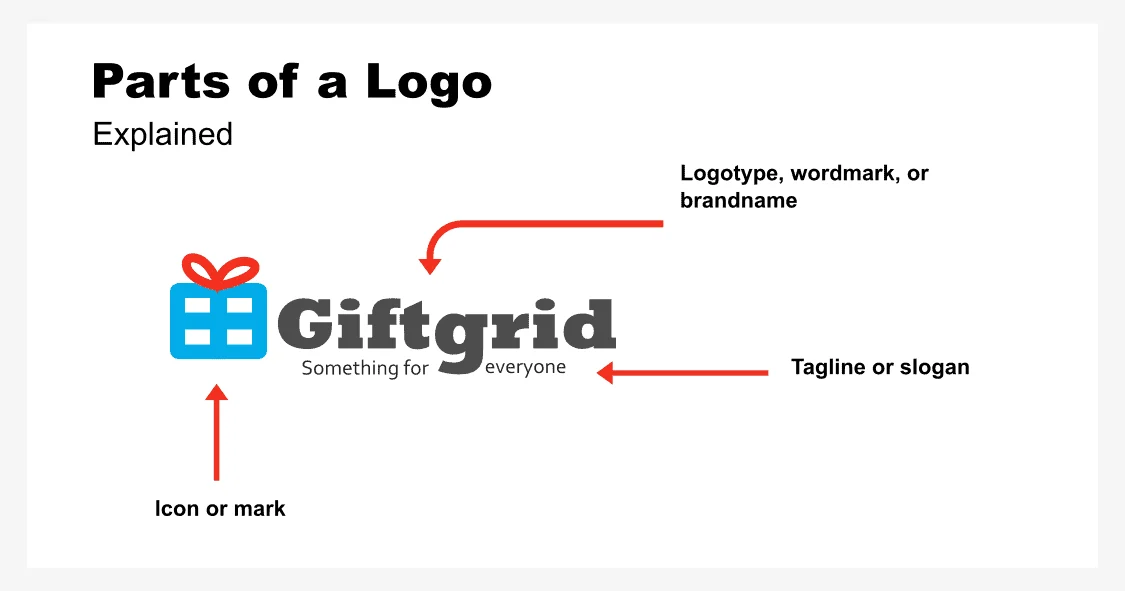
A logo is only a graphic symbol, but it’s the face of a brand. As diverse as companies range from Apple Inc. to Nike, Inc., logos are powerful messengers that resonate at an emotional level by communicating identity, values, and professionalism within seconds. But what really makes a logo work?
The basics of logo design in your visual identity. In this blog, we’ll cover the defining elements of successful logo design and explain why each is important.
Some important elements of a Logo are the following
Simplicity
That is the ultimate goal of a great logo: simplicity. It has a straightforward format that is easy to understand, adaptable, and memorable. Consider the sleek swoosh of Nike, Inc., or the bite off apple of Apple Inc., both are minimalist and yet so powerful.
A simple logo:
Something you can easily recognize at first sight
Works well in different sizes
Prints clearly on various materials
Stays timeless
Employing overly complicated logos can confuse viewers and lose visibility when reduced in scale. If applied well, minimalism helps a brand stand out without bombarding an audience.
Color
The color psychology matters a lot for an effective logo, as each color evokes a certain feeling and reminds one of something either inside or outside. Colors affect how humanity perceives a brand, which takes only seconds to make an overall impression. A carefully designed color palette improves the aesthetics of a logo, boosts brand recognition, and supports the company’s ethos. This makes it a great idea of a logo, as another aspect is that it should also function well in black and white.
The customers must have an impression that the logo fits the message and purpose of the brand. In a competitive landscape, businesses foster standing out among competitors by ensuring that professional logo design services in Lahore are relevant to the culture of the region, market trends, and what aligns with audience expectations.
Typography
Typography is one of the most powerful elements that constitute a brand’s identity. The thickness, style, and spacing of letters are all elements that affect how a logo feels.
There are some common font categories, such as:
Serif fonts: Traditional and trustworthy
Sans-serif fonts: Modern and clean
Script fonts: Elegant and creative
Display fonts: Bold and distinctive
For instance, Google LLC has used a clean and friendly sans-serif typeface to signify innovation and approachability. Typography has to be legible in various sizes and on numerous media. Custom lettering can also provide uniqueness and originality to a logo.
Shape and Symbolism
Noticing shapes affects perception more than we realize. Each geometric form carries meaning:
Circles: Unity, completeness, community
Squares/Rectangles: Stability, balance, professionalism
Triangles: Power, direction, innovation
Organic shapes: Creativity, flexibility
Storytelling is further enhanced by symbols and icons. A good symbol will convey a company’s mission at a glance. The arrow in its logo, for instance, quietly draws a line from the “A” to the “Z,” representing choice and customer satisfaction. A symbol needs to be effective, symbolic of the brand, but simple and scalable.
Scalability
Logos need to look good everywhere, from a website favicon to a billboard. Scalability enables your logo to keep its definition and quality no matter the size.
Luckily, vector designs are a must as they enable you to resize without sacrificing resolution. Whether in business cards, goods, or digital advertising, a scalable logo keeps professional integrity. In terms of adaptation, a design should be tried at multiple scales to ensure it is still identifiable and legible.
Memorability
A distinctive logo is memorable to the consumer. It does so through the uniqueness and precision of its propositions. You can be easily recognized by unique shapes, clever symbolism, or newly designed typography. Think about how fast people recognize the golden arches of McDonald’s. The design is clean, bold, and memorable. Often, memorable designs fall somewhere right in the middle between being very creative and not too simple. Too generic and it gets lost in the noise; too complex and it’s perplexing.
Timelessness
Because as trends come and go, strong logos endure. Timeless do not rush and include that over-trendy aspect, the trends that go out of favor quickly. Rather, it stresses clarity, simplicity, and the purposeful employment of color.
Updating a brand too frequently may diminish consumer experience. And messaging that changes but is something that evolves every little bit is great, but the foundation of who you are shouldn’t change. When creating a logo, you should ask yourself, “Will this sticker matter in 10/20 years?
Balance and Proportion
Balancing the state of equal proportions creates visual congruity in a logo. Good alignment, spacing, and proportion give a refined and professional appearance.
There are two primary kinds of balance:
The same amount is present on both sides.
An asymmetrical balance: Various buffers set to visualize
Grid and spacing rules are often used by designers to obtain perfect proportions. A balanced logo has a sense of calm and is visually pleasing.
Versatility
A flexible logo adapts to the backgrounds and platforms used. It should work in:
Color and monochrome
Horizontal and vertical layouts
Digital and print formats
Versatile design elements grant brand consistency across a website, socials, packaging, signage, and promotional materials.
Final Thoughts
A graphic is not the only thing in an icon. All of these factors combined create a strong brand identity: simplicity, color, typography, symbolism, scalability, relevance, memorability, timelessness, balance, and versatility. A good logo illustrates a narrative without the requirement of words. It conveys trust, values, and personality in one look. Whether you are a startup or an established business, learning about these key components will guide the experience in designing a long-lasting logo together.
A well-designed logo can transcend creativity and become a powerful business tool. You definitely need it in our competitive market today. A good logo will become the foundation of your entire brand’s visual identity, and will stay at the back of people’s minds.



Leave a Reply