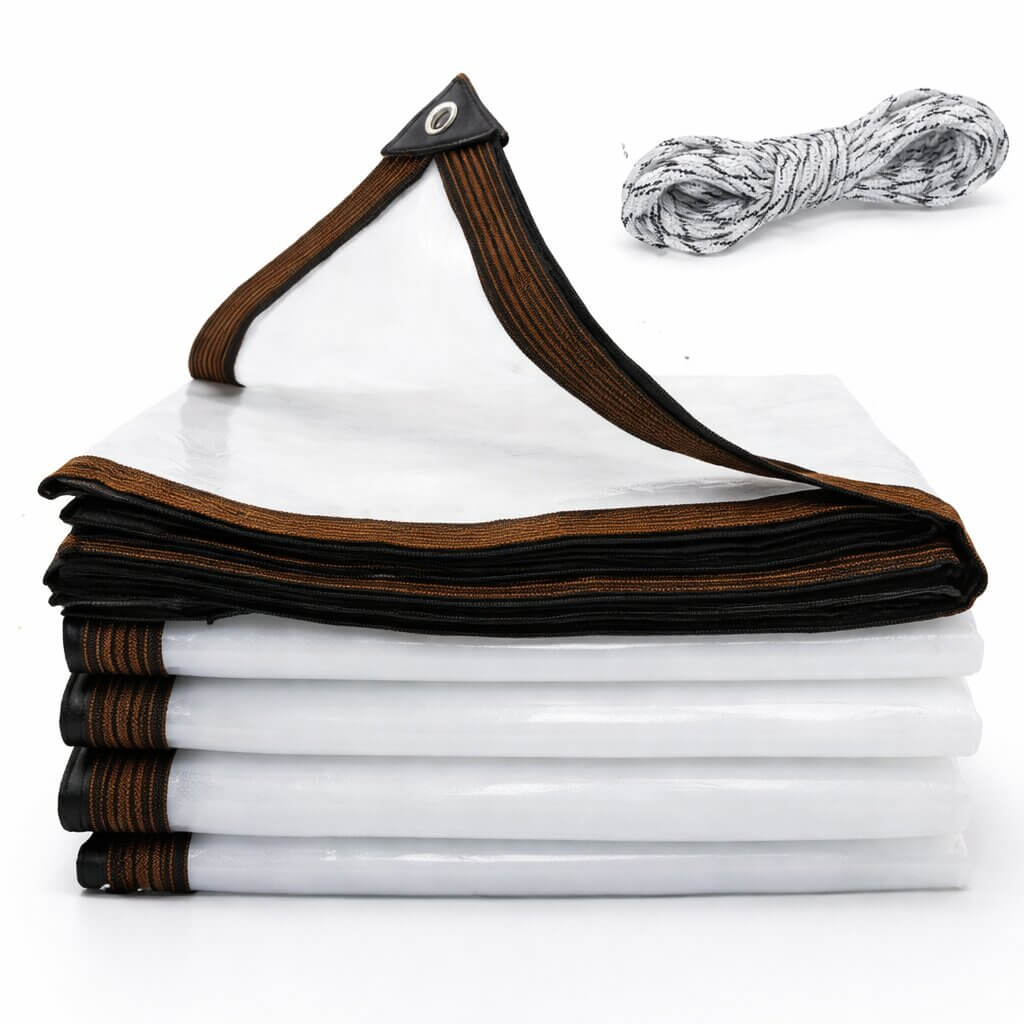
Tarpaulin sheets are strong and flexible covers that are used in many places. These materials shield roofs from rain, maintain spotless floors during work, and create a dry layer on the ground. Whether you look at homeowners or tradespeople, both rely on Clear Tarpaulin sheets for quick and easy protection. Easy to use, easy to store, and very handy for everyday uses.
This blog deals with the utility of tarpaulin sheets as a roof, floor, and ground cover. We will also explain how to select the right option according to your needs.
Using Tarpaulin Sheets for Roof Protection
Roofs experience rain, wind, heat, and dust daily. Water can enter the home if roof damage takes place, which can cause big issues. When such situations occur, tarpaulin sheets can offer quick and safe assistance.
Missing shingles or broken tiles can be covered with a tarpaulin sheet as a temporary roof covering. Rainwater protection is essential to safeguard the interior of the home before any repairs. Contractors use the heavy tarpaulin sheets for roofing. If there is an unexpected downpour, they immediately cover the open area to avoid water damage.
Tarpaulin sheets aid in ensuring the cleanliness of your roof. The roofs can have their parts covered that are not under work. This ensures that the area is dry.
To achieve better results, the sheet should be bigger than the damage. You must secure it tightly with ties, nails, or strong fasteners. A snug fit prevents wind from lifting the sheet and keeps water from entering.
Protecting Floors During Work
Whether you are doing construction, painting, or home improvement, the floors can get dirty or damaged. Tarpaulin sheets, when taped down, protect a floor from dust, paint, cement, and heavy tools.
When you paint a wall or ceiling, the paint may drip. You generally spread a tarpaulin sheet on the floor to catch spills and keep the surface clean. It’s easier to clean paint from the palette than tile, wood, or carpet later.
During renovation work, heavy tools and materials can scratch or crack floors. Tarpaulin sheets provide a strong protective layer to prevent damage. It minimizes damage risks and saves a lot on repairs.
Garages and workshops also utilize tarpaulin sheets. These shields help prevent floor stains and spills. After use, you can clean the sheet and fold it for reuse.
When choosing a sheet for a floor used indoors, select one that is strong but flexible. It must lie flat and not slide easily. Some tarpaulin sheets are textured so they don’t slip.
Ground Cover for Outdoor Areas
Ground covers are very useful tarpaulin sheets. It creates a dry, clean surface above soil, grass, or sand. It is great for use in gardens, campsites, and building sites.
In gardening, Tarpaulin Sheets can be used on the soil to hold leaves, soil, or cut grass. When the sheet is done, you can simply lift the sheet and move the waste. It facilitates easy and quick cleaning.
Tarpaulins protect the ground where tents are set up. Prevents moisture from coming from the earth. This ensures the area stays dry and comfortable for individuals.
Ground cover tarps prevent dirt and water from contaminating building materials on construction sites. They also make walking safe and secure in wet conditions.
Campers also keep tarpaulin sheets under the tents. A moisture stain is a small waterproof cover placed under or over a tent. It protects against heavy rain and strong winds.
When using tarpaulin sheets as ground cover, it is essential to ensure their thickness is enough to withstand rough surfaces. A heavy-duty sheet will last longer and will not tear.
Types of Tarpaulin Sheets
Tarpaulin sheets are available in various types. Each type is produced for specific purposes. The polyethylene tarpaulin sheets are light in weight and waterproof. Short-term roof cover, floor protection, and garden use are best served by them. They are cheap and very easy to use
PVC tarpaulin sheets are more robust and long-lasting. They’re perfect for big rooftop jobs and building sites. They do not tear easily and last long in heavy weather.
Canvas tarpaulin sheets are effective, water and air-resistant. They are typically designed to resist water and work well as ground cover where proper airflow is needed. It’s necessary to find the right material based on how and where you are using it.
Important Features to Check
When purchasing tarpaulin sheets, consider thickness and weight. Thicker sheets are stronger and better for heavyweight. Foods made with lighter sheets are easier to carry and fold.
Make sure the tarpaulin has reinforced edges and metal eyelets. These allow you to secure the tarpaulin to the roof or uneven ground. The durable eyelets prevent tearing when secured.
It is also important for the functionality to be waterproof. For roof and ground cover, full waterproof protection is best. Due to this, rain cannot go through.
Another important characteristic is UV resistance. If you plan to leave the tarp outdoors for extended periods, UV resistance helps it withstand the sun and last longer.
Proper Care and Storage
If you look after your tarpaulin sheets, they will last longer. Be sure to remove dirt and debris after use. Wait for the sheet to dry completely before folding it. Keeping a wet sheet can encourage mold and odors.
Think about the message you want to convey through your gift. Steer clear of sharp objects that can tear. As soon as you notice small holes or cuts, repair them promptly using tarp repair tape. Fixing it early prevents larger damage later on. Click here if you want to know more about home decor ideas.
Conclusion
Tarpaulin sheets may be simple, but they’re incredibly powerful for roofing, flooring, and ground coverage. They prevent water damage in homes, keep the floor clean during work, and dry the outdoors. Both homeowners and tradespeople use it every day of the week.
You can select the most effective tarpaulin sheet by choosing the right material, size, and thickness for your needs. It can serve as great protection for a long time with care.

Leave a Reply