Introduction to Modern Leather Goods Manufacturing
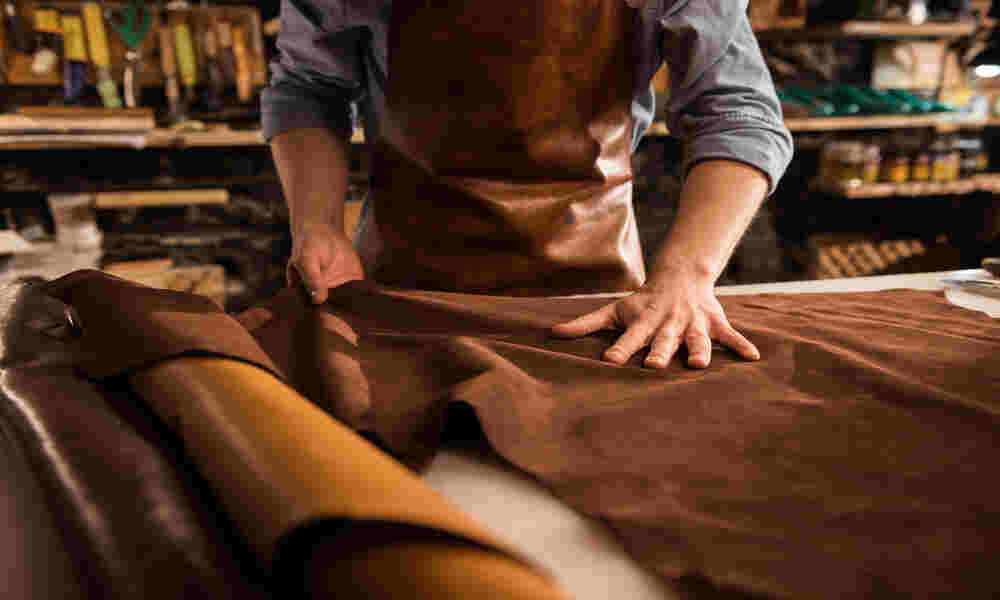
The leather goods manufacturing industry represents one of the most refined sectors of craftsmanship and industrial production. Across global markets, the demand for premium leather products continues to grow due to their durability, luxury appeal, and timeless style. From handcrafted wallets and belts to luxury handbags, travel bags, and accessories, leather manufacturing combines traditional craftsmanship with advanced technology.
In modern production facilities, manufacturers carefully balance heritage craftsmanship techniques with precision engineering. This fusion ensures consistent quality, scalability, and the ability to serve both luxury brands and large retail markets.
Our approach to leather goods manufacturing focuses on material excellence, precision cutting, advanced stitching, and strict quality control, using different types of leather, allowing us to deliver products that meet the highest global standards.
Understanding the Leather Manufacturing Process
Raw Material Selection: The Foundation of Quality Leather Products
The manufacturing journey begins with the selection of high-quality leather hides. Premium manufacturers carefully source leather from trusted tanneries that follow strict environmental and ethical standards.
Common types of leather used in production include:
-
Full-grain leather – the highest quality with natural texture and exceptional durability
-
Top-grain leather – refined surface with a smooth finish
-
Genuine leather – processed leather suitable for affordable products
-
Split leather – used for suede and specialty items
-
Vegetable-tanned leather – environmentally friendly and ideal for luxury goods
Selecting the right leather determines the strength, appearance, flexibility, and lifespan of the final product.
Leather Tanning and Treatment Techniques
Vegetable Tanning vs Chrome Tanning
After sourcing raw hides, the next step is tanning, a critical process that transforms animal hides into durable leather.
Vegetable Tanning
Vegetable tanning uses natural plant-based tannins extracted from tree bark and organic materials. This traditional method produces leather with:
-
Rich natural color
-
Long-lasting durability
-
Environmentally friendly characteristics
-
A beautiful aging process called patina
Chrome Tanning
Chrome tanning uses chromium salts, making the process faster and producing softer leather. This method is widely used for:
-
Fashion accessories
-
Handbags
-
Footwear
-
Upholstery leather
Both techniques serve different purposes depending on the desired texture, flexibility, and color finish.
Design and Product Development in Leather Manufacturing
Concept Creation and Pattern Development
Before production begins, designers develop product concepts, prototypes, and patterns. This stage includes:
-
Market research
-
Trend analysis
-
Functional design
-
Ergonomic considerations
-
Material compatibility
Professional leather manufacturers create precise digital patterns or hand-drawn templates to ensure accurate measurements and consistent production.
Advanced software tools now enable 3D design simulations, helping manufacturers visualize finished products before manufacturing begins.
Precision Cutting Techniques in Leather Goods Production
Manual Cutting vs Automated Cutting Systems
Cutting leather requires both skill and precision because leather is a natural material with unique grain patterns.
Manual Cutting
Traditional craftsmen often cut leather by hand using specialized tools such as:
-
Head knives
-
Rotary cutters
-
Leather shears
-
Steel templates
Hand cutting ensures careful selection of leather sections to avoid imperfections.
Computerized Cutting Machines
Modern factories also use CNC cutting machines and laser cutting technology. These systems provide:
-
High production efficiency
-
Accurate repetition
-
Minimal material waste
-
Faster production cycles
Combining manual expertise with automation ensures maximum material utilization and product consistency.
Leather Stitching and Assembly Techniques
Strong Stitching for Long-Lasting Leather Products
Stitching is one of the most important elements of leather goods durability. High-quality manufacturers use strong thread materials such as:
-
Waxed polyester thread
-
Nylon industrial thread
-
Linen thread for luxury handcrafted products
Common Stitching Methods
-
Saddle Stitching – traditional hand stitching known for exceptional durability
-
Lock Stitching – widely used in industrial machines
-
Edge Stitching – decorative and structural reinforcement
-
Double Stitching – adds extra strength for heavy-use items
Professional stitching ensures leather products can withstand years of daily use without structural failure.
Edge Finishing and Detailing
Professional Leather Edge Treatment
Edges define the overall quality of leather goods. Premium manufacturers invest significant effort into edge finishing techniques.
Common edge finishing processes include:
-
Edge painting
-
Burnishing
-
Wax sealing
-
Edge folding
These finishing techniques provide:
-
Smooth appearance
-
Water resistance
-
Increased durability
-
Premium aesthetic appeal
Luxury leather brands are known for their perfectly polished edges, which reflect superior craftsmanship.
Hardware Integration in Leather Products
Metal Accessories and Functional Components
Leather goods often include high-quality metal hardware to improve both functionality and design. Typical hardware components include:
-
Zippers
-
Buckles
-
Magnetic closures
-
Rivets
-
D-rings
-
Snap buttons
Manufacturers source hardware made from stainless steel, brass, or zinc alloy to prevent corrosion and maintain long-term durability.
Precise hardware installation ensures structural stability and product reliability.
Quality Control in Leather Goods Manufacturing
Multi-Stage Inspection for Perfect Products
Professional leather manufacturers implement strict quality control systems throughout the production process.
Inspection stages include:
-
Raw material inspection
-
Cutting precision verification
-
Stitching strength testing
-
Hardware attachment checks
-
Surface finish evaluation
-
Final product durability testing
Quality control teams ensure every product meets international manufacturing standards and brand expectations.
Sustainable Leather Manufacturing Practices
Eco-Friendly Innovations in Leather Production
Modern leather manufacturers are increasingly adopting sustainable production practices to reduce environmental impact.
These initiatives include:
-
Water-efficient tanning processes
-
Vegetable tanning techniques
-
Waste recycling programs
-
Biodegradable packaging materials
-
Renewable energy usage in factories
Sustainable manufacturing not only protects the environment but also aligns with global consumer demand for ethical production.
Popular Leather Products Manufactured Worldwide
High-Demand Leather Goods in Global Markets
Leather manufacturers produce a wide range of products for both fashion and functional markets.
Popular categories include:
Leather Bags
-
Handbags
-
Messenger bags
-
Backpacks
-
Travel duffel bags
-
Laptop bags
Small Leather Accessories
-
Wallets
-
Cardholders
-
Key holders
-
Passport covers
Fashion Accessories
-
Belts
-
Watch straps
-
Bracelets
-
Phone cases
Corporate Leather Products
-
Document holders
-
Portfolio folders
-
Executive desk accessories
These products combine durability, elegance, and timeless appeal, making leather a preferred material worldwide.
Advantages of Professional Leather Goods Manufacturing
Businesses and brands benefit significantly from working with experienced leather manufacturers.
Key advantages include:
-
Consistent product quality
-
Custom product development
-
Bulk production capability
-
Premium craftsmanship
-
Access to advanced manufacturing technology
Manufacturers also offer private label production, allowing brands to create unique product lines under their own brand identity with Custom Clothing Manufacturer.
Future Trends in Leather Goods Manufacturing
The future of leather manufacturing continues to evolve through innovation, sustainability, and digital transformation.
Emerging trends include:
-
Smart leather accessories with integrated technology
-
Eco-friendly tanning alternatives
-
Automated production lines
-
Customizable luxury products
-
Direct-to-consumer manufacturing models
These advancements ensure the leather industry remains competitive, sustainable, and globally relevant.
Conclusion
Leather goods manufacturing is a sophisticated industry built on precision, craftsmanship, and material excellence. From raw hide selection to final finishing, every stage of production contributes to the durability, beauty, and functionality of leather products.
By combining traditional leatherworking techniques with modern manufacturing technology, professional manufacturers deliver products that meet the expectations of luxury brands, retailers, and consumers worldwide. As sustainability and innovation continue to shape the industry, leather goods manufacturing will remain a cornerstone of global fashion and accessories production.




Leave a Reply