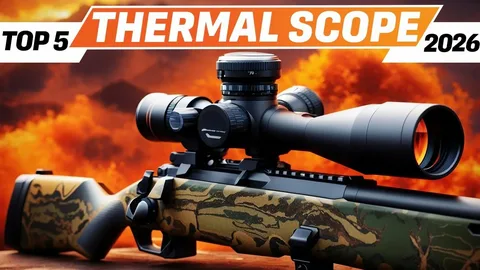
Hog hunting has evolved dramatically in the last decade. What was once a pursuit guided by instinct, moonlight, and spotlights has turned into a high tech adventure thanks to thermal imaging optics. Whether you’re a seasoned hog hunter or preparing for your first nocturnal foray into the woods, choosing the Best Thermal Scope For Hog Hunting can dramatically improve your success rate.
In this article, we’ll dig into why thermal scopes are such a game-changer, what features matter most, and how to choose the ideal thermal optic for your budget and needs. From factory deer blinds to open-field drives, you’ll gain a clear understanding of what makes a thermal scope worth investing in—and which characteristics separate good from great.
Why Use a Thermal Scope for Hog Hunting?
Hogs are notoriously hard to hunt at night. They’re smart, fast, and blend perfectly into the environment as dusk settles. Traditional night vision amplifies light but still relies on external light sources. Thermal scopes, however, detect heat signatures making pigs stand out against cool backgrounds even in total darkness.
Here’s why thermal scopes have become essential:
-
24/7 visibility Thermal works in total darkness, fog, and light rain.
-
Quick target acquisition Warm bodies are immediately clear against cooler backgrounds.
-
Versatile Effective for hunting hogs, predators, and even varmints.
-
Increased safety See more of what’s around you before you pull the trigger.
Whether you’re hunting from a stand or walking and calling hogs into range, a quality thermal optic can mean the difference between tagging out and going home empty-handed.
What to Look for in the Best Thermal Scope for Hog Hunting
Before we jump into recommendations, let’s explore the most important features that make a thermal scope worth your money:
1. Sensor Resolution
Higher sensor resolution improves image detail. Common resolutions are:
-
320×240 Good for close to mid-range hunting.
-
640×480 Excellent detection, identification, and clarity for longer distances.
A better sensor helps you spot hogs earlier and identify them accurately.
2. Refresh Rate (Hz)
Thermal scopes typically operate at:
-
30 Hz Standard smoothness for hunting.
-
60 Hz Better for fast motion and tracking running hogs.
A higher refresh rate gives you a clearer, lag-free image while tracking moving game.
3. Detection Range
The practical detection range tells you how far you can spot animals:
-
300–600 yards Typical range for most hog hunting scenarios.
-
800+ yards Great for open fields and large properties.
Consider terrain and hunting style when prioritizing range.
4. Objective Lens Size
Larger lenses gather more heat radiation, giving you better detail, but may add weight. Common sizes:
-
35mm–50mm Balanced performance and size.
-
60mm+ Great for long distance but heavier.
5. Battery Life
Long nights call for long-lasting power. Look for scopes with:
-
Replaceable batteries
-
Rechargeable packs
-
External power capability
Nothing is worse than losing sight mid-hunt.
6. Display Quality
Your image is only as good as the screen. Look for:
-
High contrast
-
Adjustable brightness
-
Crisp resolution
A good display helps you pick out hogs hiding behind brush or terrain.
Top Features to Prioritize for Hog Hunting

When considering the Best Thermal Scope For Hog Hunting, keep an eye out for these additional qualities:
• Ballistic Reticles and Ranging Tools
Scopes with built-in ballistic calculators and range finders save time and provide accurate shots in dynamic hunting conditions.
• Multiple Color Palettes
White hot, black hot, and other palettes can make animals pop depending on background heat. This feature improves contrast in varying conditions.
• Durability & Weather Resistance
Hog hunting often involves rough terrain and weather. Scopes rated for shock, fog, and water resistance are essential.
• Video Recording & Wi-Fi Streaming
If you want to capture or stream your hunts, scopes with video capabilities let you record memorable moments.
Best Thermal Scope For Hog Hunting: Final Thoughts
Now that you understand the importance of thermal imaging and what features matter, let’s summarize what makes a scope great for hog hunting:
-
High thermal resolution for clear target identification
-
A reliable refresh rate for tracking movement
-
Solid battery life to power long nights in the field
-
Tough build quality and intuitive controls
With these in mind, you’re ready to compare specific models and find the best fit for your needs.
Comparison Chart (Quick Overview)
| Feature | Why It Matters |
|---|---|
| Detection Range | Spot hogs early and plan shots |
| Resolution | Detail makes identification easier |
| Refresh Rate | Smooth tracking of fast animals |
| Battery Life | It’s a long night—don’t run out |
| Display Quality | See more in any condition |
| Weight & Size | Comfort during extended use |
How to Choose the Right Model for You
Choosing the Best Thermal Scope For Hog Hunting isn’t one size fits all. Your decision should depend on your hunting style:
🎯 Close-Range Hunters
If most of your hog action happens inside 300 yards:
-
A mid-range sensor (320×240) with a compact body will be light and affordable.
-
Quick startup and good display contrast matter most.
🌲 Mid to Long-Range Hunters
For larger properties and open terrain:
-
Invest in higher resolution (640×480 or better).
-
Prefer scopes with advanced ranging, ballistic reticles, and robust battery life.
💰 Budget-Conscious Hunters
Thermal scopes are an investment, but there are value options:
-
Look for entry-level models with solid performance.
-
Prioritize resolution and reliable power over bells and whistles.
Tips for Getting the Most Out of Your Thermal Scope
Owning the best thermal scope isn’t enough—you need to use it wisely:
➤ Learn Your Scope Before the Hunt
Practice during the day or early evening:
-
Understand how heat signatures appear.
-
Adjust palettes and gain settings for different terrain.
➤ Scan Frequently
Hogs move fast and quietly. Slow, systematic scanning increases your chances of spotting movement.
➤ Use Terrain to Your Advantage
Ridges, clearings, and treelines can help break up backgrounds and make hogs stand out more clearly thermally.
➤ Stay Quiet and Patient
Thermal scopes increase your ability to see your success still depends on patience, timing, and stealth.
Common Mistakes to Avoid
Even experienced hog hunters fall into traps. Here’s what to avoid:
❌ Ignoring Refresh Rate
A low refresh rate can blur moving targets.
❌ Skipping Practice
Thermal imaging is different from optical scopes practice makes perfect.
❌ Overlooking Battery Life
Blank screens in the field mean missed opportunities.
❌ Buying Based Only on Price
Too cheap often means compromised performance.
Accessories That Amplify Performance
To round out your hog hunting setup, consider:
🔋 Extra Batteries
Brick-to-dawn hunts require backup power. Pack spares or power banks.
🧰 Rugged Mounts
Recoil-rated mounts prevent your scope from shifting after each shot.
🎒 Protective Case
Heat scopes are sensitive instruments keep them safe from dust and drops.
🔗 External Recording Devices
If recording matters, external capture options can offer higher quality footage.
Conclusion:
Absolutely.
Hog hunting is challenging. Wild hogs are intelligent, nocturnal, and constantly adapting. The Best Thermal Scope For Hog Hunting doesn’t guarantee every shot but it dramatically increases your odds by letting you see what others miss.
visit more about: wetelluhow




Leave a Reply